




Hormone Labs Explained: What to Test and Why
February 3, 2026
Rhya Pachin

When symptoms like fatigue, brain fog, poor sleep, weight changes, or mood shifts show up, labs help us move from guessing to understanding why.


Hormone testing is often misunderstood or oversimplified. While basic labs can be a starting point, they don’t always capture the full picture—especially when symptoms persist despite being told everything looks “normal.” The goal of functional testing isn’t perfection; it’s context.


Below, I'm breaking down essential hormone labs, what they tell us, and why they matter. These markers are commonly used to investigate root causes and guide personalized nutrition and lifestyle support.

Hormones play a central role in how we feel day to day—from energy, mood, and sleep to metabolism, muscle mass, and overall resilience to stress.

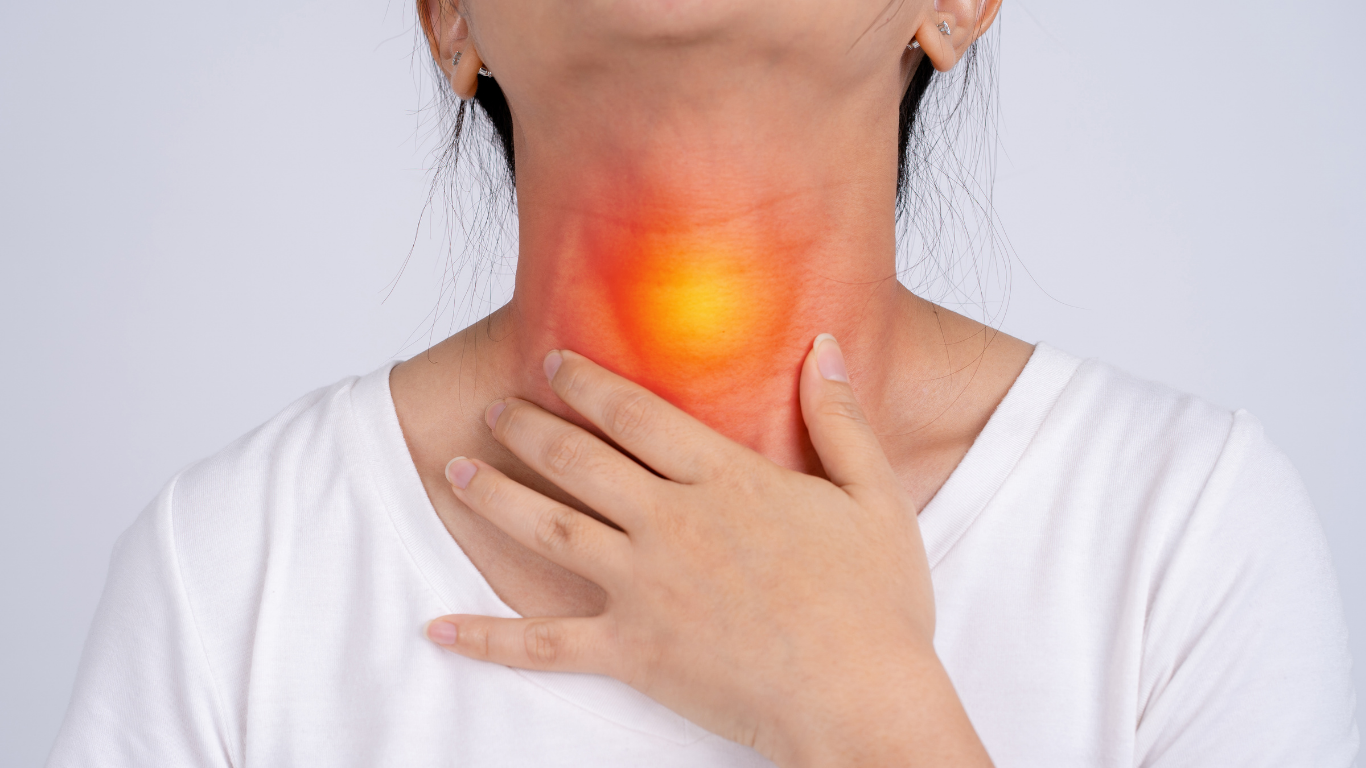
Thyroid: Look Beyond TSH


The thyroid influences metabolism, energy, mood, digestion, body temperature, and cardiovascular health in everyone. Unfortunately, testing often stops at TSH, which doesn’t always capture the full picture.


A complete thyroid panel should include:

  • TSH
  • Free T3
  • Free T4


At a bare minimum, these values help us understand both thyroid signaling and how well thyroid hormone is being converted and utilized in the body. If symptoms are present—or there is a personal or family history of thyroid or autoimmune disease—it’s also important to consider:

  • TPO antibodies
  • Anti-thyroglobulin (Anti-TG) antibodies


For a deeper dive into why each value matters, refer back to last month’s Essential Labs blog.


Progesterone: Primarily Relevant for Women


Progesterone plays a critical role in menstrual cycle regularity, fertility, and nervous system balance. It’s often responsible for keeping PMS symptoms in check, including:

  • Breast tenderness
  • Cramps
  • Irritability or anxiety
  • Hormonal acne
  • Poor sleep


Progesterone is typically the first hormone to decline during early perimenopause, postpartum, periods of chronic stress, and in high-intensity athletes. Because of this, symptoms can appear well before cycles become irregular.

While men do produce progesterone (mainly via the adrenals), testing is most clinically useful in women—especially when PMS, anxiety, or sleep disturbances are present.


Estradiol: Key Functions


Often thought of as a “female hormone,” estradiol plays an important role in health for both women and men.


In women, estradiol supports:

  • Fertility and ovulation
  • Libido
  • Bone and skin health
  • Metabolic balance


As estradiol declines during menopause, shifts in body composition and weight can occur. In premenopausal women, estradiol can also become too dominant relative to progesterone, contributing to symptoms like:

  • Weight loss resistance
  • Acne
  • Mood swings or emotional reactivity
  • Heavy or painful periods
  • Clotting concerns
  • Endometriosis-related symptoms


In men, elevated estradiol can interfere with testosterone balance and may contribute to fatigue, fat gain, low libido, and mood changes—making this an often-overlooked but valuable marker.


Testosterone: Total+ Free


Testosterone is essential for health in both men and women. It supports:

  • Libido and sexual health
  • Muscle strength and lean mass
  • Memory, cognition, and motivation
  • Stress resilience


Total testosterone reflects all testosterone in the body, including both bound and circulating forms. Free testosterone represents the smaller fraction that is biologically available to bind and exert effects in the body. While the free value is much lower than total, it can reveal early deficiencies or imbalances that total testosterone alone may miss.


Looking at both total and free testosterone together provides a more complete picture of hormonal availability, balance, and function.


DHEA-S: The Stress-Buffering Hormone


DHEA-S is a precursor hormone that can convert into both testosterone and estrogen. It also acts as a buffer to cortisol, offering insight into adrenal function and stress adaptation.


DHEA-S levels naturally decline with age and are also influenced by:

  • Chronic stress
  • Inflammation
  • Overtraining
  • Undereating or restrictive dieting


Both high and low levels can provide important clues about long-term stress and hormone production in the body.


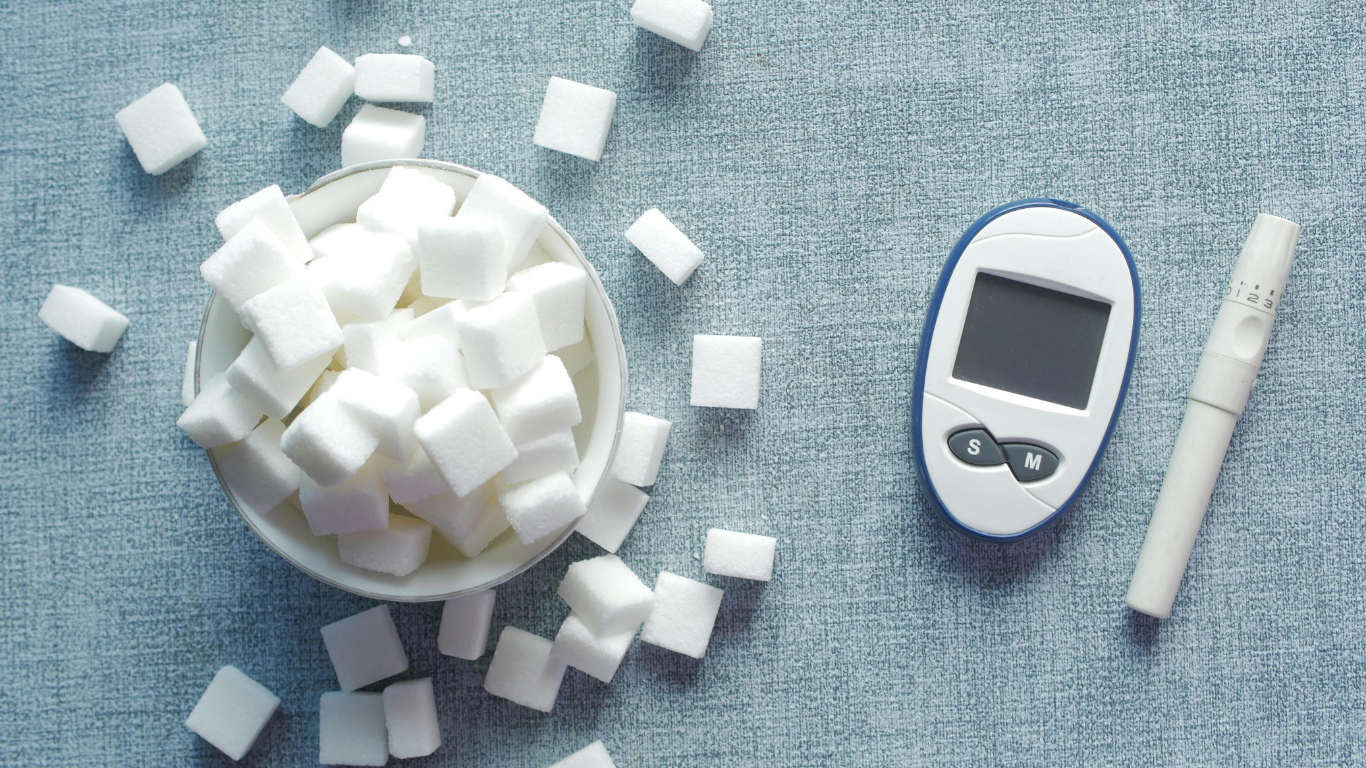
Insulin: The Blood Sugar–Hormone Connection


One of the most commonly overlooked contributors to hormone imbalance—for men and women—is blood sugar regulation.


Checking fasting insulin can help us understand:

  • How efficiently the body responds to glucose
  • Whether insulin resistance may be developing
  • Why inflammation, fatigue, or weight gain may persist despite healthy habits


Imbalances in insulin can ripple out to affect thyroid function, sex hormones, cortisol, and overall inflammatory load.


Hormone Lab Testing FAQs


When is the best time to test hormone labs for the most accurate results?

Some hormones fluctuate daily or across the menstrual cycle. Morning draws are often best for thyroid, testosterone, insulin, and cortisol-related markers. Progesterone and estradiol are most informative in the luteal phase.


Why can hormone labs look normal even when symptoms persist?

Normal ranges detect disease, not subtle imbalances. Hormone function depends on ratios, stress, nutrition, and lifestyle, so symptoms may appear even if labs are “normal.”


Do hormone labs need to be repeated over time?
Yes. Hormones are dynamic, and repeating labs helps track trends, monitor interventions, and adjust support as needed.


What’s the difference between blood, saliva, and urine hormone testing?
Blood tests measure circulating hormones at a single moment. Saliva reflects free hormone levels, and urine can track hormone metabolites over 24 hours. Each method offers different insights.


Can stress, diet, or poor sleep affect hormone lab results?
Absolutely. Lifestyle factors like stress, sleep, nutrition, and exercise influence hormone production and balance, which can impact lab results and overall hormone function.


These labs provide a strong foundation for investigating many common hormone-related concerns. Fatigue, low energy, anxiety or mood changes, poor sleep, acne, heavy or painful periods, low libido, weight loss resistance, and brain fog are often connected to subtle imbalances that don’t always show up on basic testing.


In some cases, additional labs such as prolactin or SHBG may be appropriate—particularly when medications, hormonal birth control, or other underlying factors are involved.


Lab values are tools, not diagnoses. The most meaningful insights come from interpreting numbers alongside symptoms, health history, and the full context of each individual’s life.


Want help interpreting your labs or knowing what to ask for?

A lab technician in purple gloves holds a row of filled blood-draw vials
By Rhya Pachin January 1, 2026
Not all “normal” labs are optimal. Learn which blood tests to request in 2026 and how they reveal root causes of fatigue, weight gain, and more.
An outstretched arm holds a stack of wrapped holiday presents with bows
By Rhya Pachin MS, RDN, LDN, CLT December 1, 2025
A functional nutritionist’s 2025 Holiday Wellness Gift Guide featuring the best health gadget gifts to support hormones, stress, recovery, and longevity.
A basket of toilet paper sitting on the ground with one roll out.
By Rhya Pachin November 4, 2025
Discover the root causes of IBS, bloating, and bathroom issues, and learn a 3-step functional approach to lasting gut health.
By Rhya Pachin October 1, 2025
Learn what leaky gut is, its symptoms, causes, and a 5-step functional medicine program to restore gut health and reduce inflammation.
A photo of a flatay of various fiber packed foods
By Rhya Pachin September 4, 2025
Fibermaxxing is trending — but is it healthy? Discover the pros, cons, and how to increase fiber the right way with a free 7-day meal plan.

Recent Blog Posts

Share this post!

About the Author

Rhya Pachin is a licensed dietitian nutritionist who employs an "integrative" approach to support overall health rather than addressing just one symptom. As a certified LEAP therapist, she designs and supervises custom elimination diets. Her focus areas include gastrointestinal conditions like IBS and IBD, autoimmune diseases such as rheumatoid arthritis and Hashimoto's, persistent weight issues, food sensitivities, and chronic inflammatory conditions in both adults and children.

A lab technician in purple gloves holds a row of filled blood-draw vials
By Rhya Pachin January 1, 2026
Not all “normal” labs are optimal. Learn which blood tests to request in 2026 and how they reveal root causes of fatigue, weight gain, and more.
An outstretched arm holds a stack of wrapped holiday presents with bows
By Rhya Pachin MS, RDN, LDN, CLT December 1, 2025
A functional nutritionist’s 2025 Holiday Wellness Gift Guide featuring the best health gadget gifts to support hormones, stress, recovery, and longevity.
A basket of toilet paper sitting on the ground with one roll out.
By Rhya Pachin November 4, 2025
Discover the root causes of IBS, bloating, and bathroom issues, and learn a 3-step functional approach to lasting gut health.
Show More