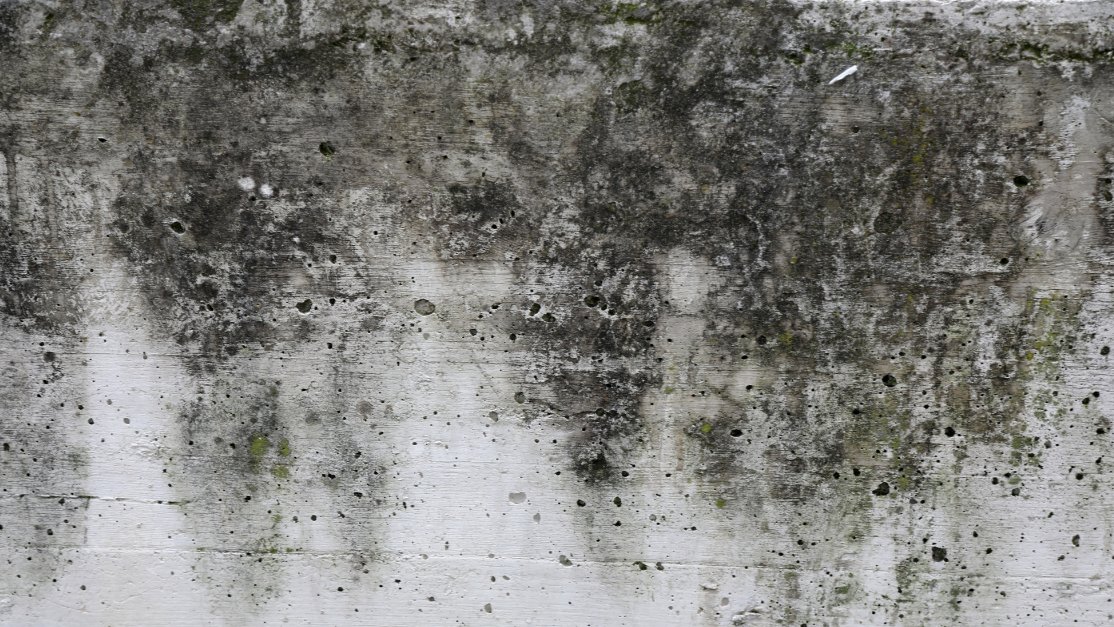



You’re staying in an Airbnb and notice black speckles on the shower ceiling. You fill a glass of water at a friend’s house and spot buildup around the dispenser. Your bathroom mirror fogs every morning because the fan barely works.
Is it harmless… or something worth paying attention to?
In many homes, the answer may involve
mold.
For some individuals, mold exposure may contribute to persistent, often unexplained symptoms.
In practice, when a client reports ongoing fatigue, brain fog, sinus congestion, headaches, or other multi-system concerns without clear answers, I start to look more closely at environmental factors. This often includes asking deeper questions about their home, water damage/leaks, and air quality.
For example, someone who has experienced sinus infections twice a year for several years with no clear answers as to why, and no solution offered other than antibiotics each time which has now cascaded into IBS and chronic bloating. Or a stubborn skin rash, eczema, or even hormonal imbalances that don’t resolve with natural or even prescription treatment.
If you’ve been dealing with symptoms that haven’t fully resolved—or haven’t been clearly explained—mold may be one piece of the puzzle worth exploring.

What Is Mold & Why Does It Grow Indoors?
Mold is a type of fungus that naturally exists in our environment and plays an important role in breaking down organic material outdoors. Indoors, however, it becomes relevant when excess moisture allows it to grow and spread.
Mold reproduces by releasing microscopic spores into the air. These spores are always present—both indoors and outdoors—but they typically only become problematic when they land in an environment that supports growth.
That environment usually includes:
- Moisture
- Warmth
- Organic material (like drywall, wood, dust, or insulation)
In clinical practice, mold-related concerns rarely come from one obvious source. More often, they stem from ongoing or previously unnoticed moisture exposure—like a slow leak under a sink, behind a wall, in a crawl space, or within an HVAC system. Sometimes it is obvious like during a renovation; other times mold is sneaky and hides, or you’re buying a house that you weren’t aware ever had unremediated moisture issues.
Common areas where mold growth is frequently found include:
- Bathrooms with poor ventilation or frequent humidity
- Basements or crawl spaces with moisture buildup
- Areas impacted by past leaks or water damage
- HVAC systems with condensation or dust accumulation
- Kitchens, laundry rooms, or utility spaces with repeated steam exposure
It’s also important to distinguish between visible and hidden mold. While mold may appear on surfaces like tile or drywall, more significant exposure often comes from growth behind walls, under flooring, or within ventilation systems.
Some molds can produce compounds called mycotoxins, which are byproducts that may be present in water-damaged environments. Not all mold produces mycotoxins, and exposure doesn’t always lead to measurable toxicity—but it’s one factor we may evaluate in functional testing when symptoms are persistent.
Individual response to mold exposure varies widely and may be influenced by immune function, detoxification pathways, overall inflammation, and length of exposure.

Why Mold May Be More Common Today (and How to Recognize It at Home)
Mold exposure is often not tied to a single event—it tends to develop gradually in environments where moisture is present over time.
Modern home construction may play a role. Many homes today are built to be tightly sealed for energy efficiency, which can reduce natural airflow and trap humidity indoors. When even small amounts of moisture are introduced, it creates an environment where mold can grow unnoticed.
Common contributing factors include:
- Reduced ventilation in tightly sealed homes
- Hidden water damage behind walls or flooring
- Poor humidity control in bathrooms, kitchens, or basements
- HVAC systems with condensation or inadequate maintenance
- Moisture-retaining materials like drywall or particle board
Often, the first sign isn’t visible mold—it’s subtle changes in the environment or how someone feels in the space.
Signs mold or excess moisture may be present include:
- Musty or earthy odors
- Condensation on windows or glass
- Water stains, bubbling paint, or peeling drywall
- Recurring mildew in damp areas
- Symptoms that worsen at home
- Symptoms that improve when away
One simple (and often overlooked) tool here is
monitoring indoor humidity. Ideally, levels should stay between
30–50%.

How to Test for Mold Exposure (Home & Body)
Mold exposure can present differently from person to person and often affects multiple systems in the body. Because these symptoms are nonspecific, environmental triggers like mold are frequently overlooked.
Common symptoms may include:
- Persistent fatigue
- Brain fog or difficulty concentrating
- Headaches or migraines
- Sinus congestion or postnasal drip
- Coughing or throat irritation
- Skin irritation, itching or rashes
- Sleep disruption
- Mood changes (including anxiety or irritability)
- Worsening allergies or asthma
- Digestive changes in some individuals
- Histamine sensitivity or reactivity
From a functional perspective, mold is rarely viewed as a single isolated issue. Instead, it’s considered part of a broader picture that may include immune activation, inflammation, and overall environmental burden.
Not everyone exposed to mold develops symptoms. Individual response can depend on factors such as:
- Genetics and detoxification capacity
- Immune system status
- Existing inflammation
- Mast cell or histamine sensitivity
- Gut health
- Total toxic burden
- Duration and intensity of exposure
In practice,
symptoms are often more noticeable when multiple stressors are present at the same time—not just mold exposure alone.
How to Test for Mold Exposure (Home & Body)
Mold exposure is best evaluated by looking at both the environment and the body, since symptoms alone aren’t specific enough to confirm a root cause.
1. Start with the Home
The first step is identifying any sources of excess moisture or hidden water damage.
This may include:
- Professional mold inspection (Clean Air for air sampling, Muddy Girl Mold Inspections)
- Moisture or leak detection
- HVAC system evaluation
- Air testing or thermal imaging when appropriate
Additional tools may include:
- Canine scent detection (Here is a trusted Charlotte, NC Area resource: Scent Inspections)
- Air quality testing
- Professional remediation services if mold is confirmed
- Here are some Charlotte NC local recommendations:
- Cardinal Restoration
- Air Central of the Carolinas
- Bar None Restoration
- Georgia Carolina Restoration and Construction
2. Consider Functional Testing
If symptoms are ongoing, functional lab testing may help identify patterns related to environmental exposure.
This may include:
- Organic acids + mycotoxin testing
- Bloodwork including Inflammatory and immune markers
These tests are most valuable when interpreted alongside a full health history and environmental context. This is something I regularly assess in practice when working with clients experiencing persistent, unexplained symptoms.
3. Take Action
If mold is suspected, the priority is reducing exposure and addressing the source.
This may involve:
- Fixing leaks or water damage
- Improving ventilation
- Managing indoor humidity
- Using air filtration when appropriate
Professional support is recommended when:
- Water damage is present
- Symptoms improve when away from the home
- Multiple people in the home are affected
Next Steps
If you’re wondering whether mold could be contributing to your symptoms, you’re not alone—and
you don’t have to figure it out on your own. Functional lab testing, combined with a deeper look at your environment, can help uncover answers and guide next steps.
Recent Blog Posts
Share this post!
About the Author
Rhya Pachin is a licensed dietitian nutritionist who employs an "integrative" approach to support overall health rather than addressing just one symptom. As a certified LEAP therapist, she designs and supervises custom elimination diets. Her focus areas include gastrointestinal conditions like IBS and IBD, autoimmune diseases such as rheumatoid arthritis and Hashimoto's, persistent weight issues, food sensitivities, and chronic inflammatory conditions in both adults and children.