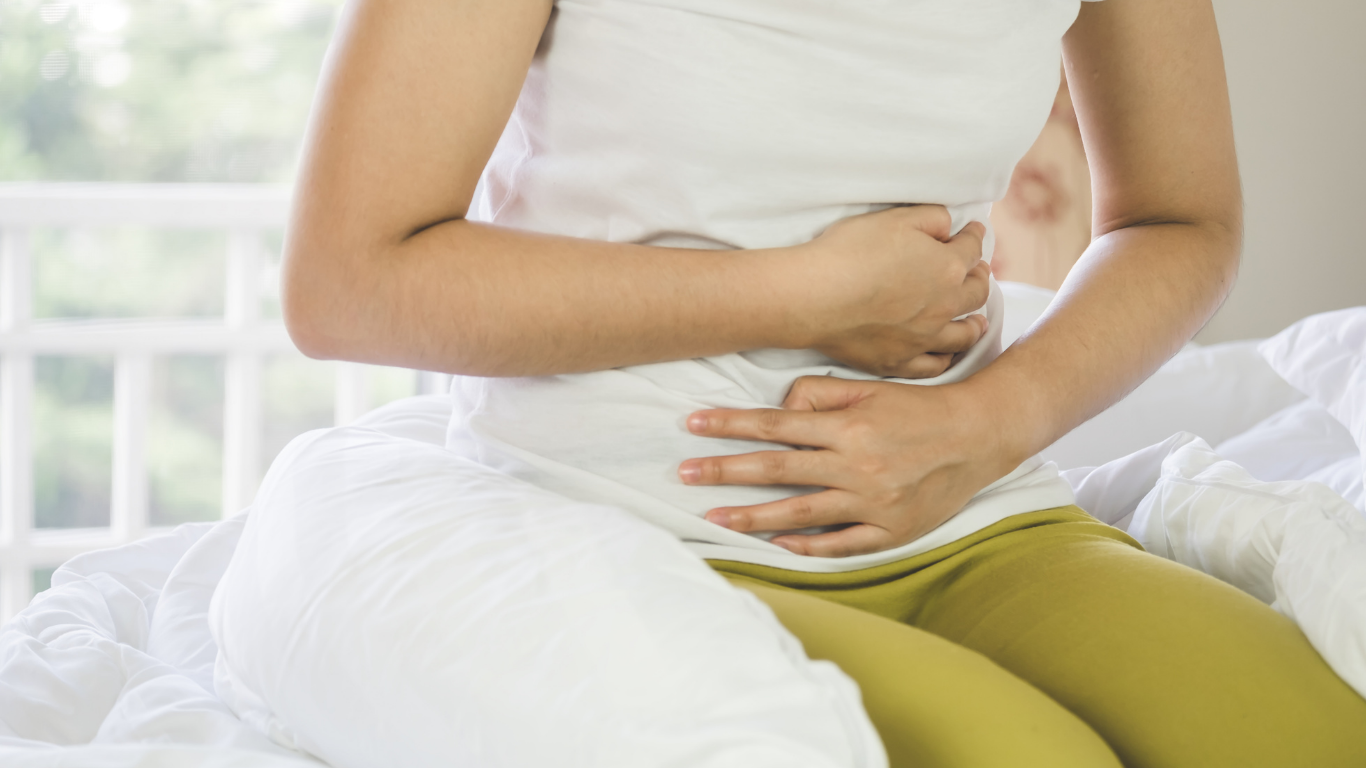
Bloating is probably the #1 symptom my clients report when coming to me for the first time. It’s
uncomfortable, annoying, and sometimes even embarrassing! It’s definitely top of most client’s list to tackle, and with good reason. However, bloating can sometimes seem nebulous—like why is this
happening? Many people chase their symptoms for years with little to no reduction in bloating.
Why?
Let’s unpack some likely causes of bloating:
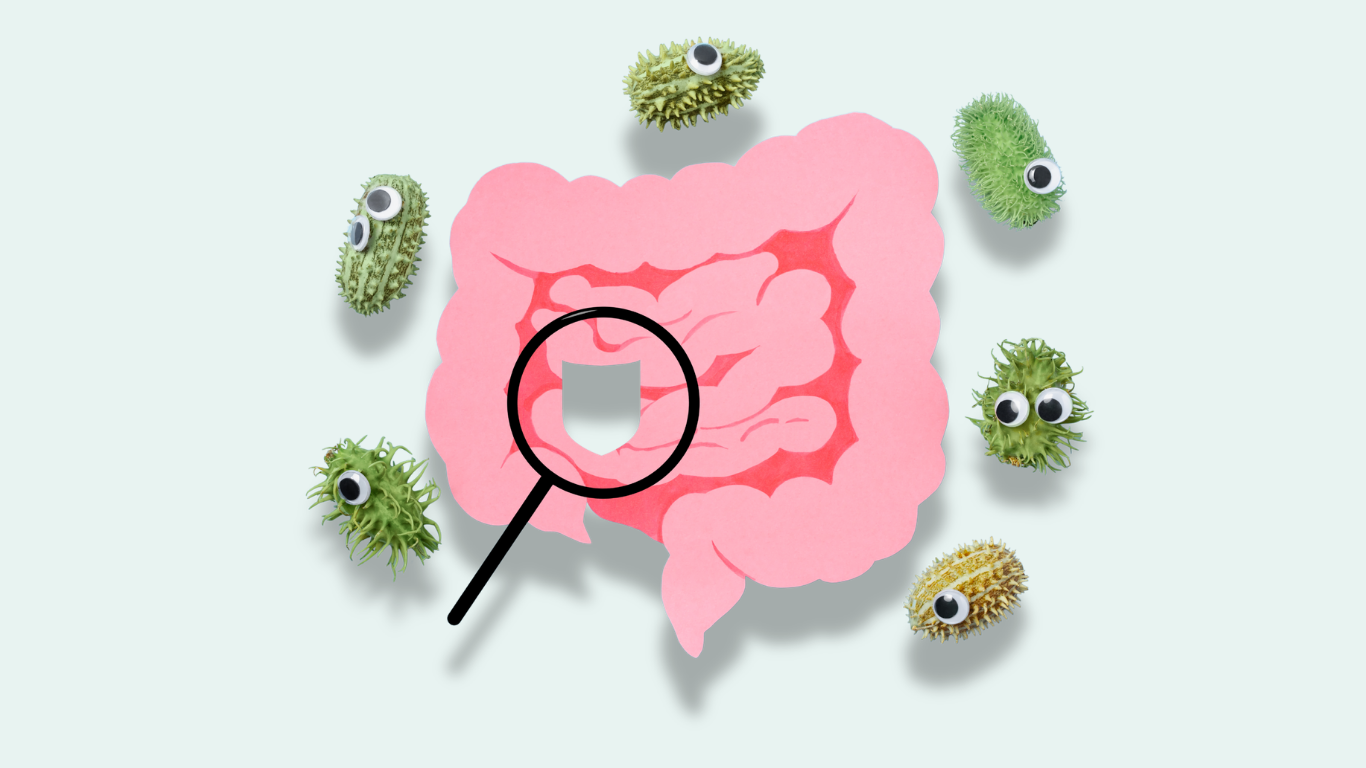
--Bad bacteria: they love starchy carbs so then they can grow and produce gas—which then fills your abdomen and results in distension and/or burping. Bacteria are supposed to live in the large intestine, but when pathogenic (bad guys) get in accidentally by way of surgery or a weakened immune system, they can take over and cause imbalance. Similarly, if bacteria migrate to an area such as the small intestine (where no bacteria are supposed to live), even if they’re good guys it can still result in horrible bloating.
--Poor digestion: sluggish digestion including low pancreatic enzymes, bile, and/or stomach acid can contribute to bloating. Essentially, undigested food may be sitting in the gut fermenting and causing more gas production. This can be it’s own problem or make bacterial overgrowth worse.
--Damage/inflammation: As a result of prescription medications, food sensitivities, and stress, the lining of the intestines can actually become damaged. This damage is inflammation that sometimes feels like swelling, pressure, or bloating.
--Low good bacteria: The large intestine is normally home to trillions of bacteria which protect the body against foreign invaders. However, life can throw a lot of curveballs which may result in taking
antibiotics and other medications which disrupt the natural balance of the gut. This alone can result in bloating.
--Low prebiotic fibers: Fiber from plants is the primary fuel for many gut bacteria (although PS some gut bacteria do like meat and dairy). Normally, a balanced diet with a variety of foods can easily fuel gut bacteria naturally without any intervention. However, in the case of gut bacteria imbalance, sometimes people inadvertently (or purposely due to discomfort) change their eating habits to reduce bloating “trigger foods” which often means less fermentable fiber and so less fuel for good bacteria.
These reasons are why it can be hard to figure out
WHY you’re bloated. Not to mention, hormones can play into a feeling of bloating which may actually be water retention (will save that for another post)! If you somehow know which of these areas are causing a problem, then it would seem easy to fix, but honestly I don’t always know which of these issues are the main root cause! And in most cases, there’s more than one issue contributing to bloating. So….this is where stool testing can come in handy to help us identify which cause(s) need to be specifically addressed.
In the meantime, some clients find that reducing high-fermentable fiber TEMPORARILY can help (because remember it’s good for the gut, just maybe not right now if you have symptoms of bloating). Chewing gum and carbonated drinks are two other common food triggers of bloating.
I’d love to hear from you on what helped you the most in navigating any pesky bloating, and I’m just a message away when you’re ready for more 1-1 help to resolve bloating once and for all!