
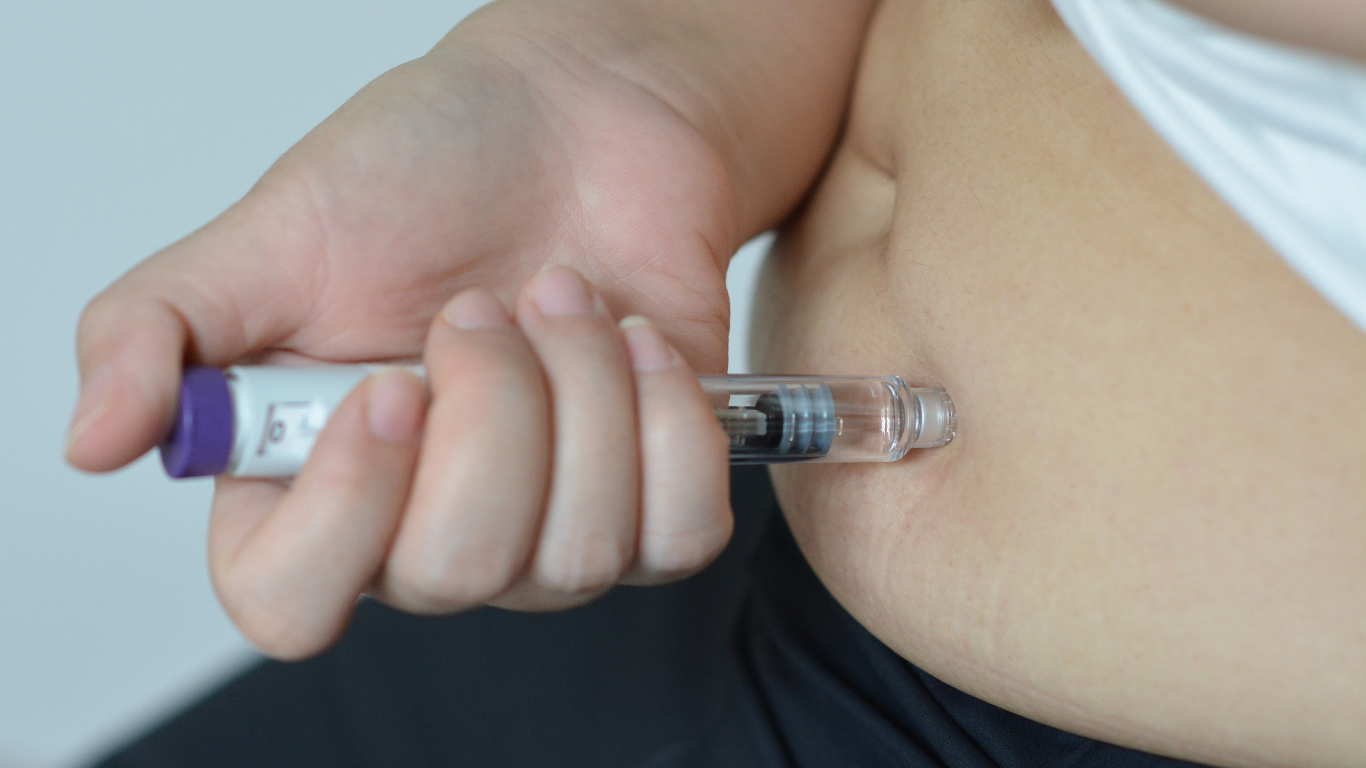
You can't scroll too far these days without seeing something about GLP-1 medications. What started as a trickle has turned into a flood — brands like Ozempic, Wegovy, and Mounjaro have quickly become household names, and the options keep expanding. Most of these are injectables administered at home or by a provider, and newer oral tablet options are making this class of medication more accessible than ever for those struggling with weight loss and appetite control.
But do you actually know what a GLP-1 is, what impact it can have on your overall body and mind, and how it relates to your digestive system specifically?
As we consider these medications — I think it's important to have a deep, well-rounded understanding of the actual influences, both immediate and long-lasting, that they can have.

What Is a GLP-1?
GLP-1, or glucagon-like peptide-1, is a hormone your body naturally produces in the gut — specifically in the small intestine and colon — in response to eating.
When things are functioning as they should, GLP-1 plays several important roles: it signals to the brain that you're full, slows the rate at which food leaves the stomach, stimulates insulin release to help regulate blood sugar, and suppresses glucagon — a hormone that raises blood sugar levels. In short, it helps your body manage appetite, blood sugar, and digestion in a coordinated way.
When GLP-1 production or signaling is suboptimal, this coordination breaks down. Low GLP-1 activity has been associated with impaired blood sugar regulation, reduced satiety signaling, and increased appetite — all of which can contribute to weight gain and metabolic dysfunction over time. Emerging research suggests that diet quality, fiber intake, and the gut microbiome all influence the body's natural GLP-1 response. Diets rich in fiber and minimally processed foods appear to support healthier GLP-1 signaling and overall metabolic health.
GLP-1 medications are one of the biggest innovations on the weight loss market in decades. They work by mimicking and amplifying the effects of your body's natural GLP-1 —
slowing gastric emptying, reducing appetite, improving insulin sensitivity, and blocking out what many people describe as constant "food noise." For those who have struggled for years with hunger, cravings, and blood sugar dysregulation, this can feel like a significant relief.

What I Like About GLP-1s
In certain cases, I think GLP-1 medications can be genuinely helpful — and I want to be clear about that. Beyond weight loss, these medications appear to improve inflammation markers and insulin sensitivity, which is a meaningful win for anyone struggling with metabolic syndrome, a condition associated with increased risk of heart disease, type 2 diabetes, and other chronic diseases.
They can also serve as
a real jumpstart for people who have been doing everything right and still can't move the needle — eating well, exercising, managing stress — and still feel like they can't win. That's a tough and demoralizing place to live. Sometimes having a tool that helps reset appetite and metabolism can open the door to sustainable lifestyle changes that weren't possible before. The biggest wins happen when these medications are paired with nutrition, movement, and long-term lifestyle habits—not used in isolation.
What Concerns Me as a Functional Nutritionist
That being said, I do have real concerns — not about the medications themselves, but about how they're being prescribed and monitored.
I get questions all the time from clients about side effects that were never explained to them: hair loss, nausea, indigestion, constipation, gallstones, and muscle wasting. And then there's the question almost nobody seems to be asking: how do GLP-1 medications impact the gut microbiome, and what can we do to prevent imbalances like SIBO or dysbiosis that could actually make these side effects worse over time?
Who should be cautious: GLP-1 medications are not appropriate for everyone. Those with a personal or family history of medullary thyroid cancer or MEN2 syndrome are generally advised to avoid them. People with a history of eating disorders, certain GI conditions like gastroparesis, or pancreatitis should approach with caution and work closely with a knowledgeable provider. And if you aren't willing to follow through with transitioning on and off medications in a safe manner, they might end up doing more damage than good.
GLP-1s are not a one-size-fits-all medication, and anyone considering them deserves individualized guidance — not a standard prescription with minimal follow-up.
Why Your Gut Health Matters on a GLP-1
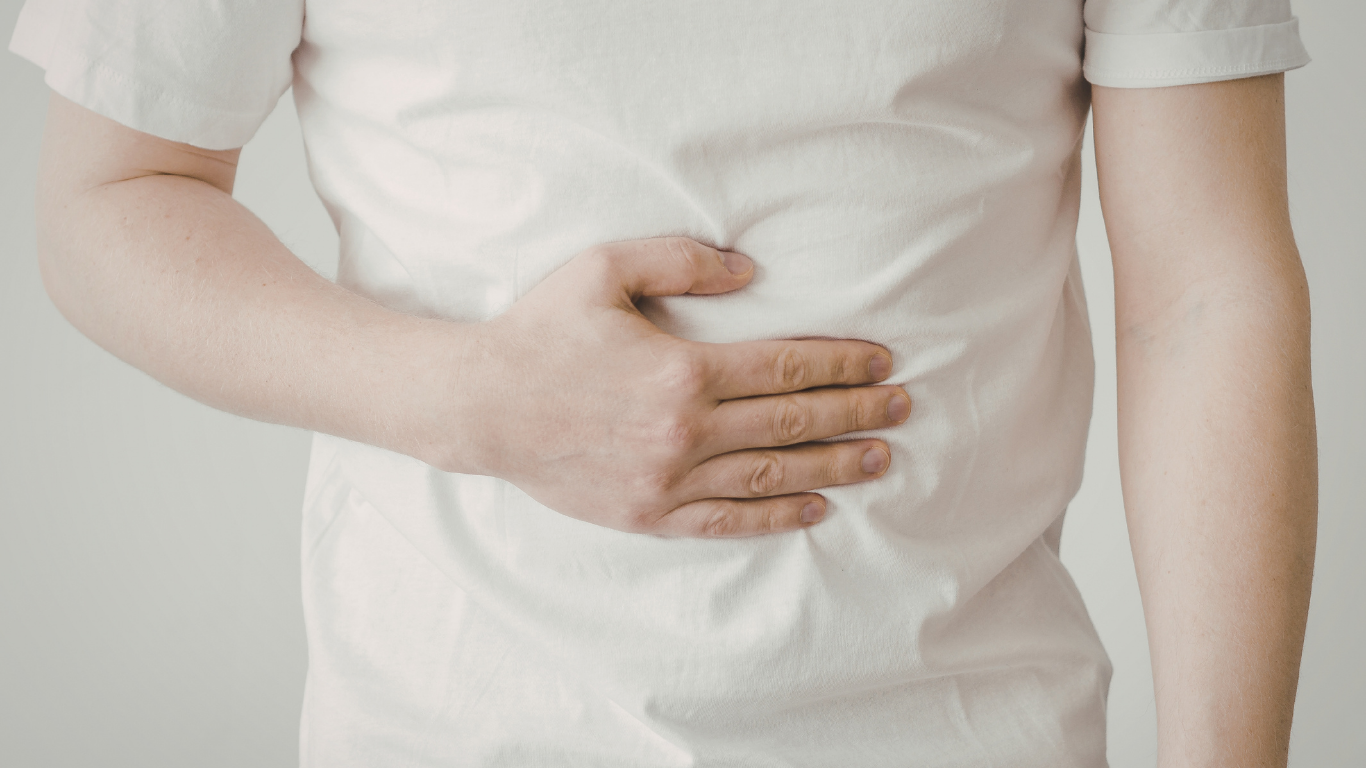
One of the biggest gaps I see in conversations around GLP-1 medications is the lack of discussion about gut health. While these medications can be incredibly effective for many people, gut health is rarely part of the discussion—and it should be.
GLP-1 medications slow stomach emptying, which helps increase fullness and reduce appetite. But if you already struggle with bloating, constipation, reflux, or other digestive concerns, those symptoms may become more noticeable. Supporting gut health before and during treatment can help improve comfort and make it easier to meet your nutrition goals. A healthy gut also supports nutrient absorption and makes it easier to meet your nutrition needs—even when you're eating less.
Protein is essential on a GLP-1 (more on that below), but let's not forget fiber-rich plant foods. Fiber and a variety of colorful fruits and vegetables nourish beneficial gut bacteria, support digestion, and help maintain a healthy gut microbiome.
If you have a history of digestive symptoms,
I encourage addressing them before starting a GLP-1 whenever possible. In my practice, I've seen clients feel frustrated when they're not getting the results they expected or are struggling with digestive side effects. Often, we uncover underlying issues—like constipation, dysbiosis, or sluggish digestion—that also need attention. A GLP-1 can be a valuable tool, but it doesn't replace the importance of supporting gut health and good nutrition.
What to Keep in Mind on a GLP-1
Muscle Preservation
Muscle loss is one of the most underappreciated risks of GLP-1 medications. Resistance training 3–4 times per week is important, and I'd recommend tracking body composition monthly to distinguish fat loss from muscle loss. An InBody scan is great if accessible — or an at-home body composition scale can track general trends over time.
Protein
Aim for 1.5–1.8g of protein per kilogram of body weight per day, spread across 3–4 meals. Good sources include pastured meat, eggs, Greek yogurt, and collagen paired with a complete protein (such as a shake with half collagen and half whey or plant protein). Beans, nuts, and seeds add smaller but meaningful amounts of additional protein.
Digestion & Motility
Eat 3–4 smaller meals, chew thoroughly, and include protein, fat, and fiber from nutrient-dense foods at every meal to support digestion and keep things moving.
Hydration
GLP-1 users are at higher risk of dehydration due to reduced food intake and nausea. Prioritize water and electrolytes consistently — don't wait until you feel thirsty.
Nutrient Deficiencies
Common deficiencies on GLP-1 medications include potassium, magnesium, zinc, iron, calcium, and B-vitamins. Eat like it's your job — nutrient-dense foods with every meal — and monitor closely if you have a history of or symptoms related to any of these deficiencies.
Fiber
To prevent constipation, pair fiber with protein at each meal. Chia seeds, berries, and cooked vegetables tend to be easiest to digest for most people on GLP-1 medications.
Alcohol
Most providers don't mention this, but alcohol sensitivity often increases on GLP-1 medications. Many people find they feel the effects of alcohol more quickly and intensely than before. It's worth being mindful — especially in social summer situations.
Mental Health & Dopamine
GLP-1 medications can affect dopamine signaling — the brain's reward and motivation system. Because food is a primary dopamine source for many people, reducing food intake and "food noise" can sometimes lead to a noticeable dip in motivation, mood, or overall sense of enjoyment. This doesn't happen for everyone, but it's worth being aware of and worth discussing with your provider if you notice mood shifts while on the medication.
Cost & Access
It's worth acknowledging: these medications are expensive, and insurance coverage is inconsistent. For many people, cost is a real and ongoing barrier — which makes it even more important to maximize results through nutrition and lifestyle support so the investment is worthwhile.
Transitioning Off
When it's time to stop, work with your provider on a gradual taper rather than stopping abruptly — this helps prevent a sudden surge in cravings and hunger signaling. Continue focusing your diet on lean protein, healthy fats, and fiber at every meal. Eat slowly, chew thoroughly, and don't wait too long between meals, which can contribute to overeating. Supplements containing berberine, gymnema sylvestre, and other blood sugar-balancing nutrients may ease the transition if cravings or increasing food noise become an issue.
The habits you build while taking a GLP-1 are often what determine how well you're able to maintain your progress after stopping.
How to Support Your Body's Natural GLP-1 Production
Here's something most people don't know: your body already makes GLP-1. And you can support that natural production through diet and lifestyle — whether or not you're on medication.
Protein stimulates GLP-1 production directly, which is one more reason to prioritize it at every meal — especially breakfast. Two eggs alone isn't enough. Add a protein smoothie, lean organic turkey sausage, or Greek yogurt with fruit for a higher-protein start that supports blood sugar balance and appetite control all day long.
Fiber, when fermented in the large intestine and converted into short-chain fatty acids, also stimulates GLP-1 production. Aim for 30+ plant species per week, or 5–10 plants per day — oats, beans, seeds, and root vegetables are great places to start.
Bitter leafy greens like arugula, dandelion greens, and radicchio may also enhance or mimic GLP-1 activity by slowing digestion and promoting satiety after eating.
Akkermansia, a beneficial gut bacteria, has been shown to support GLP-1 production. It can be supplemented in cases of low levels, or rotated into a daily probiotic routine every few months.
Butyrate, a short-chain fatty acid produced when fiber is fermented in the gut, supports the gut lining and GLP-1 signaling. It can also be supplemented directly.
All this being said — none of these are magic in isolation. Context and consistency matter. Supporting your body's natural GLP-1 production isn't about one food or supplement. It's about building a gut-friendly, metabolically supportive lifestyle over time.
GLP-1 & Gut Health: FAQs
How do I know if I'm a good candidate for a GLP-1? A good candidate is generally someone with a BMI over 27–30 with weight-related health conditions, who has tried lifestyle modifications without sufficient results, and who does not have contraindications like a history of thyroid cancer, pancreatitis, or certain GI conditions. Working with a provider who offers individualized assessment — not a one-size-fits-all approach — is essential.
I'm having gut issues. Should I try a GLP-1 before they're resolved? If you have active digestive symptoms, I'd recommend addressing those concerns before starting a GLP-1 whenever possible. Existing gut issues can make side effects like nausea, bloating, constipation, or reflux more difficult to manage and may make it harder to meet your nutrition goals. Building a healthier digestive foundation can improve comfort and support your overall success while taking the medication.
What impacts can GLP-1 medications have on gut health? GLP-1 medications slow gastric emptying, which can alter the gut microbiome over time. This can lead to or worsen conditions like SIBO or dysbiosis in some individuals — particularly those who already have gut imbalances. Supporting gut health proactively with fiber, probiotics, and nutrient-dense food is important throughout treatment.
How do GLP-1s impact dopamine and motivation? Because GLP-1 receptors are present in the brain's reward centers, these medications can reduce the dopamine response associated with eating — which is part of why they reduce food noise. For some people, this extends to a broader blunting of motivation or pleasure in daily activities. It's not universal, but it's worth monitoring and discussing with your provider if you notice it.
Whether you're considering a GLP-1, already on one, or looking to support your body's natural metabolic health — getting a clear picture of where your gut health stands is a great first step.
Book a Jumpstart Call
today for
quick, individualized guidance on where to start and what your body actually needs.


Recent Blog Posts
Share this post!
About the Author
Rhya Pachin is a licensed dietitian nutritionist who employs an "integrative" approach to support overall health rather than addressing just one symptom. As a certified LEAP therapist, she designs and supervises custom elimination diets. Her focus areas include gastrointestinal conditions like IBS and IBD, autoimmune diseases such as rheumatoid arthritis and Hashimoto's, persistent weight issues, food sensitivities, and chronic inflammatory conditions in both adults and children.