

All About Seed Oil: A Functional Nutritionist’s Perspective
July 19, 2024
Rhya Pachin, RDN, LDN, CLT

What are industrial seed oils?

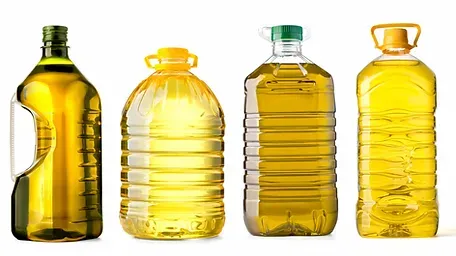
Four bottles of oil are lined up in a row on a white background.

Seed oils have sparked a debate in the wellness community in recent years due to their prevalence in our diets and their potential impacts on our health. What exactly is the deal with these processed oils, and how should you approach consuming them? I'm here to provide you with a comprehensive guide so that you can make informed decisions that promote your well-being.

Industrial seed oils are highly processed oils derived from seeds and plants. These oils made their debut in the American diet in the early 20th century, crafted from an industrial byproduct that could be highly-processed and used as a cheap lard and cooking fat alternative.


Common examples of seed oils include:

  • Canola oil (aka rapeseed oil)
  • Corn oil
  • Cottonseed
  • Grapeseed oil
  • Soybean oil
  • Sunflower oil
  • Safflower oil


Industrial seed oils go through extensive processing (including refining, bleaching, and deodorizing) which can strip them of their natural nutrients and introduce harmful compounds. They are now a common ingredient in American cooking and baking, and are often found in processed foods, fast food, and restaurants. 

A woman is holding a bottle of oil in a supermarket.

Are seed oils unhealthy?

Inflammation

One of the main concerns with industrial seed oils is their high omega-6 fatty acid content. While omega-6 fatty acids are essential in small amounts, an imbalance between omega-6 and omega-3 fatty acids can lead to chronic inflammation. And most Americans aren’t eating enough Omega 3’s (from avocado, fish, and walnuts) to counteract the Omega 6’s we’re taking in through processed foods. 

Chronic inflammation is linked to a host of health issues - including heart disease, obesity, diabetes, and autoimmune disorders. 


Oxidation & Free Radicals

Industrial seed oils are prone to oxidation, especially when exposed to high heat during cooking. Oxidized oils generate free radicals, which can damage cells, proteins, and DNA, potentially leading to various inflammatory conditions and diseases - everything from eczema to stubborn weight to cancer. 


Trans Fats

Although trans fats have been largely reduced in many food products, trace amounts can still be found in some industrial seed oils due to the high-temperature processing. Trans fats are notorious for increasing bad cholesterol (LDL) and decreasing good cholesterol (HDL), contributing to heart disease.

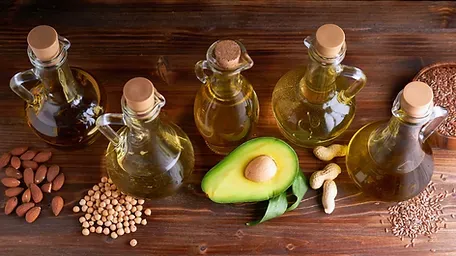
There are many different types of oils on the table.

What should you do?

Limit Consumption

Given the potential health risks, it's smart to limit the consumption of seed oils. This means being vigilant about reading ingredient lists on processed and packaged foods, as these oils are commonly used as cheap fillers. To keep things simple, opt for whole, home-cooked foods as much as possible. 


Swaps & Substitutes

Choose fats and oils which are less processed and have a better fatty acid profile. 

Here are some great seed oil alternatives:


  • Extra Virgin Olive Oil: Rich in monounsaturated fats and antioxidants, it's great for low to medium-heat cooking and dressings.
  • Coconut Oil: Contains medium-chain triglycerides (MCTs) that can be beneficial for metabolism. Best for baking and medium-heat cooking.
  • Avocado Oil: High in monounsaturated fats and has a high smoke point, making it suitable for high-heat cooking.
  • Butter & Ghee: These animal fats are rich in fat-soluble vitamins and are excellent for cooking at higher temperatures.


Like having easy to access snacks on hand but feeling intimidated by ingredient lists? Enjoy the convenience of some of my favorites, without the guilt: 

  • Lesser Evil popcorn
  • Artisan plantain chips
  • Siete potato chips
  • Boulder potato chips
  • Xochitle corn chips

The Final Score

Incorporating healthier oils and fats into your diet is a small change that can have significant health benefits. By being mindful of the oils you consume, you can reduce inflammation, lower your risk of chronic diseases, and promote overall well-being. 

A woman in a white robe touches her face and looks at herself in a circular, wall hanging mirror
By Rhya Pachin September 7, 2026
Explore the connection between gut health and acne, what research says about the gut-skin axis, and why acne often has multiple contributing factors.

A spread of prepared foods across a wooden dinner table from a flat-lay perspective
By Rhya Pachin September 2, 2026
Wondering if a food is causing your symptoms? Learn how food sensitivities differ from allergies and how to identify potential food triggers.

Cupped hands are holding an cut out image of the intestines
By Rhya Pachin August 31, 2026
Learn about common early signs of SIBO, including bloating, gas, and bowel changes, plus when testing or medical evaluation may be appropriate.

A cartoon of the intestines surrounded by bacteria with a magnifying glassing looking at it
By Rhya Pachin August 17, 2026
Learn what dysbiosis means, common digestive symptoms associated with gut microbiome changes, and when persistent symptoms deserve further evaluation.

A woman in a white shirt clutches her stomach
By Rhya Pachin August 10, 2026
Learn about common signs of digestive inflammation, what may cause persistent gut symptoms, and when it’s time to seek medical evaluation.

Recent Blog Posts

Share this post!

About the Author

Rhya Pachin is a licensed dietitian nutritionist who employs an "integrative" approach to support overall health rather than addressing just one symptom. As a certified LEAP therapist, she designs and supervises custom elimination diets. Her focus areas include gastrointestinal conditions like IBS and IBD, autoimmune diseases such as rheumatoid arthritis and Hashimoto's, persistent weight issues, food sensitivities, and chronic inflammatory conditions in both adults and children.

A woman in a white robe touches her face and looks at herself in a circular, wall hanging mirror
By Rhya Pachin September 7, 2026
Explore the connection between gut health and acne, what research says about the gut-skin axis, and why acne often has multiple contributing factors.
A spread of prepared foods across a wooden dinner table from a flat-lay perspective
By Rhya Pachin September 2, 2026
Wondering if a food is causing your symptoms? Learn how food sensitivities differ from allergies and how to identify potential food triggers.
Cupped hands are holding an cut out image of the intestines
By Rhya Pachin August 31, 2026
Learn about common early signs of SIBO, including bloating, gas, and bowel changes, plus when testing or medical evaluation may be appropriate.
Show More