



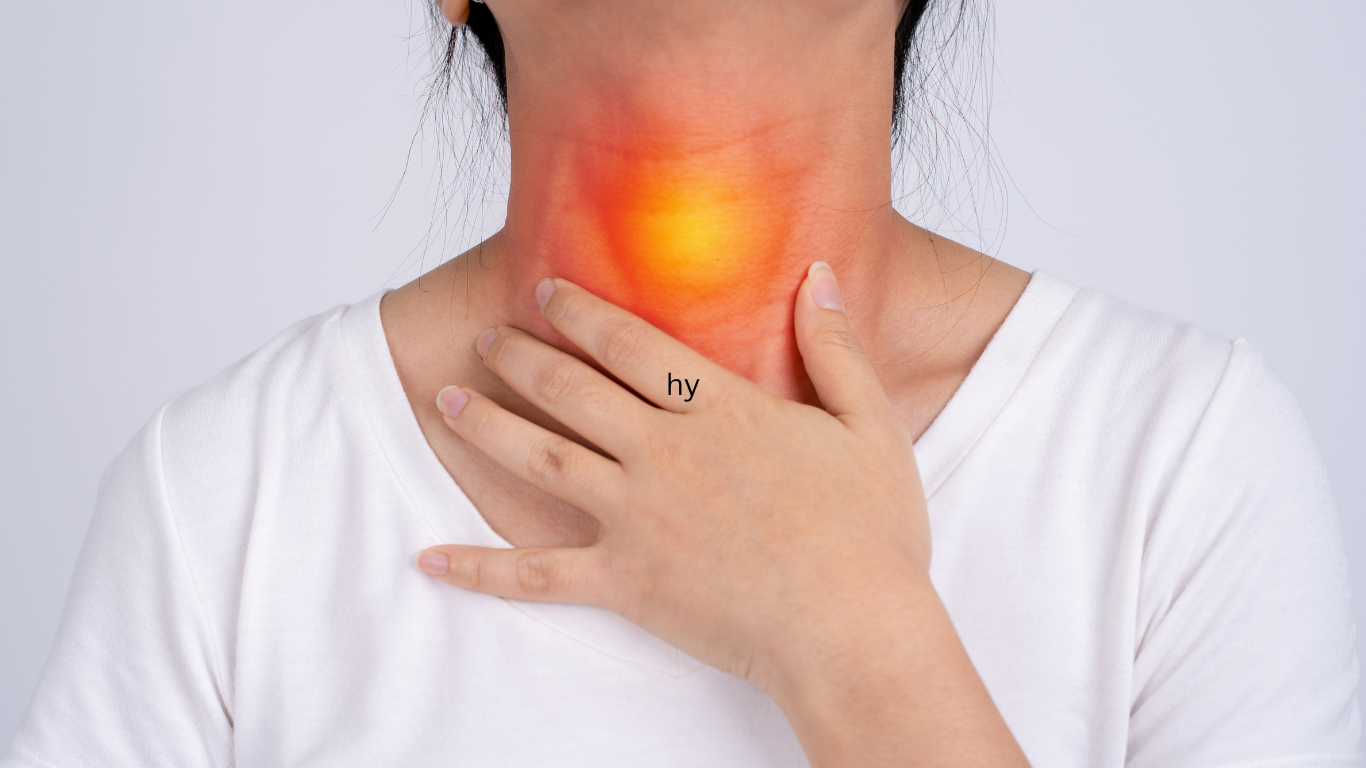
Thyroid problems can affect many parts of the body, and symptoms can look different depending on whether the thyroid is underactive or overactive . With an underactive thyroid (hypothyroidism) , common symptoms include fatigue, feeling cold, weight changes, constipation, dry skin, hair thinning, changes in mood or concentration, and menstrual changes. An overactive thyroid (hyperthyroidism) can cause symptoms such as feeling unusually hot, sweating, a racing or irregular heartbeat, trouble sleeping, anxiety, weight loss, tremors, or more frequent bowel movements. These symptoms can be important clues that your thyroid may need a closer look . But symptoms alone can't tell us whether you have a thyroid condition or what's contributing to the way you're feeling. That's why it's helpful to look at symptoms alongside appropriate thyroid testing, health history, medications, nutrition, and other relevant factors. - - - - - - Your Thyroid: Key Points Thyroid symptoms can show up in many ways: Hypothyroidism and hyperthyroidism can affect energy, temperature regulation, digestion, weight, mood, sleep, hair and skin, heart rate, and menstrual cycles. Symptoms can be clues: Symptoms such as fatigue, brain fog, feeling cold, constipation, hair thinning, or unexplained weight changes may be worth discussing with your healthcare provider when they persist or occur together. Testing helps clarify the picture: Thyroid symptoms can't diagnose a thyroid condition on their own. Appropriate blood testing, interpreted alongside your symptoms and health history, can provide important information about thyroid function. The type of thyroid condition matters: Hashimoto's thyroiditis and Graves' disease are autoimmune thyroid conditions that can affect thyroid function in different ways. The bigger picture still matters: Even when thyroid dysfunction is present, it's worth considering nutrition, medications, sleep, stress, hormonal health, and other relevant factors that may be contributing to symptoms or affecting overall health. Nutrition can support thyroid health: A balanced, nutrient-dense diet can be part of a comprehensive approach to thyroid health, but nutrition support does not replace appropriate medical evaluation or thyroid medication when medication is indicated. - - - - - - Understanding Thyroid Symptoms The thyroid is a small gland in the front of your neck that produces hormones involved in how your body uses energy. Thyroid hormones influence many body systems, including metabolism, temperature regulation, heart function, digestion, and brain function. When the thyroid is underactive, or hypothyroid , body processes can slow down. Common symptoms include fatigue, feeling cold, constipation, dry skin, dry or thinning hair, weight gain, muscle or joint discomfort, changes in menstrual periods, low mood, and difficulty concentrating. When the thyroid is overactive, or hyperthyroid, body processes can speed up. Someone may experience feeling hot or sweaty, a racing or irregular heartbeat, anxiety or irritability, difficulty sleeping, tremors, weight loss, increased bowel movements or diarrhea, or changes in menstrual periods. Autoimmune thyroid conditions are also part of this picture. Hashimoto’s thyroiditis is an autoimmune condition that commonly leads to hypothyroidism, while Graves’ disease is the most common cause of hyperthyroidism. The important thing to remember is that these symptoms can occur for many reasons. The same fatigue, brain fog, hair changes, or weight changes that make someone wonder about their thyroid can also be associated with other factors. That is why symptoms are a starting point for asking better questions, not a way to make a diagnosis. - - - - - - How Thyroid Testing Works If your symptoms suggest that your thyroid may need a closer look, testing can provide important information about how your thyroid is functioning. TSH is commonly used as an initial thyroid test , and depending on your symptoms, health history, and the clinical question, additional testing may include free T4, free T3, thyroid antibodies, and, in some cases, reverse T3. The specific tests that make sense depend on the individual. Thyroid results are best interpreted alongside symptoms, health history, medications, supplements, and other relevant factors rather than looking at a single number in isolation. Thyroid antibody testing may also be helpful when an autoimmune thyroid condition such as Hashimoto's thyroiditis or Graves' disease is being considered. From a functional nutrition perspective, testing is one piece of the bigger picture. The goal isn't simply to order more tests, but to understand what information would actually be useful and how it may help guide the next step. - - - - - - Who May Benefit From an Organic Acids Test It can be reasonable to talk with your healthcare provider about thyroid evaluation if you have persistent or unexplained symptoms that could fit with thyroid dysfunction , especially when several symptoms occur together or represent a noticeable change from your usual baseline. This can include ongoing fatigue, changes in weight, feeling unusually cold or hot, constipation or more frequent bowel movements, changes in hair or skin, changes in menstrual cycles, sleep disruption, heart palpitations, or changes in mood or concentration. It is also worth bringing up thyroid concerns if you have a personal or family history of thyroid disease or an autoimmune condition . Thyroid conditions can occur alongside other health concerns, so your broader history matters. At the same time, not every person with these symptoms needs an extensive thyroid workup. Symptoms alone do not tell us what testing is appropriate, and a thyroid-focused evaluation should not distract from other potential explanations. If you are pregnant, trying to conceive, recently postpartum, or taking thyroid medication, thyroid evaluation and monitoring can require additional attention. Your physician or other appropriate medical provider should guide diagnosis and medication management in these situations. At Carolina Functional Nutrition in Charlotte, I work with both hypothyroid and hyperthyroid concerns, including autoimmune thyroid conditions such as Hashimoto’s and Graves’ disease. My role is to provide nutrition and lifestyle support alongside appropriate medical care, not to replace it. - - - - - - Risks, Limitations & What to Monitor There is no single downside to having thyroid symptoms, but there are a few important limitations to keep in mind when trying to interpret them. First, symptoms are nonspecific . Fatigue, weight changes, hair thinning, brain fog, constipation, and sleep changes can occur with many different conditions. Assuming that every symptom is caused by the thyroid can lead you away from other factors that may need attention. Second, thyroid testing has to be interpreted carefully . TSH is an important test, but the right combination of tests depends on the clinical situation. Different thyroid conditions can produce different patterns, and test results can be affected by certain medications, supplements, health conditions, and life stages. Biotin is one example. This common supplement can interfere with some thyroid blood tests, so it is important to tell your healthcare provider about supplements you take before testing. Do not stop a prescribed medication on your own; instead, ask your healthcare provider whether any preparation is needed before testing. Third, thyroid medication requires monitoring . Too little thyroid hormone can leave symptoms such as fatigue or feeling cold unresolved, while too much thyroid hormone can contribute to symptoms such as feeling nervous, feeling hot, having a fast heartbeat, or losing weight. Medication doses should be adjusted with the prescribing clinician rather than based on symptoms alone. Finally, nutrition support should be individualized . There is no single “thyroid diet” that is appropriate for everyone, and adding large amounts of individual nutrients or supplements is not automatically helpful. The goal is to identify nutritional gaps and practical dietary factors that are relevant to the individual while keeping medical treatment and monitoring in place. If symptoms persist , worsen, or change significantly, follow up with your healthcare provider rather than assuming you simply need more supplements or another dietary change. - - - - - - When To Seek Care Most thyroid symptoms can be evaluated through routine medical care, but some symptoms need more immediate attention . Seek urgent medical care for severe or rapidly worsening symptoms such as chest pain, significant difficulty breathing, fainting, or a very fast or irregular heartbeat. Severe symptoms accompanied by confusion, marked agitation, or a high fever also warrant urgent evaluation. If you have a known thyroid condition and develop a significant change in symptoms, contact your healthcare provider promptly. This is particularly important if you are taking thyroid medication and notice new or worsening symptoms that could suggest your dose needs to be reassessed. - - - - - - Next Steps If you’ve been wondering whether your symptoms could be related to your thyroid, you don’t have to figure it out on your own. A good place to start is a conversation about what you’ve been experiencing, your health history, and what questions may be worth exploring. A free 15-minute Jumpstart Call gives us a chance to talk through what’s been going on and help you understand what the next step could look like. - - - - - - Sources & Citations Hypothyroidism – American Thyroid Association Hyperthyroidism – American Thyroid Association Thyroid Tests – National Institute of Diabetes and Digestive and Kidney Diseases TSH (Thyroid-Stimulating Hormone) Test – MedlinePlus Medically reviewed by Rhya Pachin, MS, RDN, LDN, CLT Last updated: October 7, 2026 This content is for educational purposes and does not substitute personalized medical advice.

An Organic Acids Test (OAT) is a urine-based laboratory test that measures a range of organic-acid metabolites , which are byproducts of normal metabolism. Depending on the specific OAT used, the markers can provide information about areas such as energy production, nutrient-related metabolism, oxidative stress, and microbial activity. Vibrant Wellness and MosaicDX both offer OATs, although the exact markers and reporting vary between laboratories. An OAT can be a useful piece of information for some people, but it is not a test that everyone needs. At Carolina Functional Nutrition, testing is selected based on the individual, their symptoms and history, and the clinical question we are trying to answer. - - - - - - Organic Acid Testing: Key Points OAT is a urine test: An Organic Acids Test measures organic-acid metabolites in a urine sample. These compounds are produced through metabolic processes and are excreted in urine. It looks at multiple pathways: Depending on the laboratory, an OAT may include markers related to energy and mitochondrial metabolism, nutrient-related pathways, microbial activity, neurotransmitter metabolism, and oxidative stress. The exact panel varies, so two OATs should not automatically be treated as identical. It is not a standalone diagnosis: An abnormal marker does not automatically tell you what condition you have or what treatment you need. Results need to be considered alongside symptoms, medical history, medications, nutrition, and other relevant testing. Testing should have a purpose: An OAT is most useful when the results could add meaningful information to a specific clinical question. More testing is not necessarily better testing. Preparation matters: Diet, medications, supplements, hydration, timing, and other factors can influence organic-acid results. Your provider or laboratory should give you specific collection instructions. The test is only one piece of the picture: An OAT does not replace appropriate medical evaluation or standard laboratory testing when those are indicated. In some situations, other or more targeted testing may be more appropriate. - - - - - - Understanding Organic Acids Testing The term “organic acids” refers to a broad group of compounds produced during normal metabolism. Your body creates and breaks down these compounds as it processes carbohydrates, fats, amino acids, nutrients, and other substances. Many are ultimately excreted in urine. A commercial OAT brings a number of these markers together into one urine panel. For example, the current Vibrant Wellness OAT includes markers related to metabolic and mitochondrial function, microbial and gut health, neurotransmitter and brain function, and detoxification, nutritional, and oxidative-stress pathways. MosaicDX describes its OAT as measuring 76 organic acids from a urine sample across several metabolic categories. That does not mean an OAT can tell you exactly why you have a particular symptom. Instead, the results may p rovide additional information that can be considered alongside the rest of your health picture . For example, someone dealing with persistent fatigue may have several possible contributors worth considering, including sleep, nutrition, blood sugar regulation, thyroid function, medications, digestive health, or other medical conditions. An OAT may be useful in some cases, but it would not automatically be the next step for every person with fatigue. This is why personalized testing matters. The same symptom can have very different contributors from one person to another. - - - - - - How OAT Results Are Evaluated IAn OAT generally requires a urine sample. Both Vibrant Wellness and MosaicDX describe their OATs as urine-based tests, with collection instructions provided for the specific laboratory's kit. The exact preparation instructions can vary. For example, Vibrant Wellness recommends a first-morning urine collection and provides guidance around fasting, hydration, medications, supplements, certain foods, and other factors that may affect the sample. The laboratory specifically advises patients to follow their provider's instructions rather than independently stopping prescribed medications. Once the sample is processed, the report provides results for the markers included in that particular panel. The next step is interpretation. This is an important part of the process. A result should not be viewed in isolation and turned into a supplement recommendation simply because one marker falls outside a reference range. Organic-acid profiles can be influenced by diet, medications, clinical state, and other factors, and interpretation depends on the overall pattern and clinical context. At Carolina Functional Nutrition, we use testing to help answer questions —not to create a longer list of things to “fix.” The goal is to understand whether the information from an OAT adds something useful to the rest of the evaluation. - - - - - - Who May Benefit From an Organic Acids Test An OAT may be considered for an adult or child when the symptoms, history, and clinical question make the information potentially useful. It may be particularly relevant when someone has a more complex or multi-system symptom picture and a practitioner is trying to better understand certain metabolic or nutritional patterns. That does not mean an OAT is automatically appropriate for fatigue, digestive problems, brain fog, mood changes, or other common symptoms. Those symptoms have many possible explanations, and testing should be selected based on the individual rather than the symptom alone. You should also be cautious about ordering an OAT simply because you saw a list of symptoms online and recognized yourself in it. A test result without appropriate interpretation can create confusion, unnecessary worry, or an overly restrictive treatment plan. People with significant medical conditions, complex medication regimens, or concerning symptoms may also need evaluation through their physician or an appropriate medical specialist. Functional nutrition can complement conventional medical care; it should not replace necessary diagnosis or treatment. For someone in Charlotte, NC—or working with a provider virtually—the important question is not simply, “Can I get an OAT?” It is, “Would this test add useful information for my situation?” - - - - - - Risks, Limitations & What to Monitor An OAT is generally noninvasive because it involves urine collection rather than a blood draw. The bigger considerations are usually related to preparation, interpretation, cost, and what you do with the information afterward. Preparation requirements: Depending on the laboratory, you may receive instructions about fasting, hydration, foods, supplements, medications, exercise, or the timing of your urine collection. Following the laboratory's instructions matters because diet, medications, supplements, and other factors can affect organic-acid results. Results can be nonspecific: An elevated or decreased marker does not necessarily point to one single cause. Organic-acid profiles can be affected by nutritional, medication-related, physiologic, and other factors, which is one reason results should be interpreted in context. Different labs measure different things: Vibrant Wellness and MosaicDX do not report exactly the same panel. The number and type of markers can vary between laboratories, so it is important to know which test was ordered and what its specific markers are. More information can sometimes mean more confusion: If testing is ordered without a clear clinical question, an unexpected result may lead to unnecessary supplements, dietary restrictions, or additional testing. The purpose of testing should be to clarify the plan, not simply to generate more data. Follow-up matters: If an OAT is used as part of your evaluation, the results should be considered alongside your symptoms and other relevant information. Depending on what is found, your practitioner may recommend no additional testing, a more targeted test, coordination with your physician, or a nutrition and lifestyle plan. - - - - - - When To Seek Care An OAT is not designed to replace evaluation for urgent or potentially serious symptoms. Seek prompt medical attention for symptoms such as severe or worsening abdominal pain, significant or persistent vomiting, blood in the stool, fainting, severe dehydration, new confusion, chest pain, difficulty breathing, or sudden weakness or numbness. If you have persistent symptoms that are affecting your daily life but are not an emergency, bring them to the attention of your primary-care clinician or another qualified healthcare professional. An OAT may or may not be appropriate depending on what is happening and what other evaluation has already been completed. - - - - - - Next Steps If you are wondering whether an Organic Acids Test could be useful for you, the best place to start is with your individual symptoms, history, and goals rather than ordering a test based on a general recommendation. At Carolina Functional Nutrition, we use personalized testing when it can help clarify the bigger picture and guide next steps. If you’re in Charlotte, NC, or working with us virtually, you can Book a discovery call to talk through whether our approach is a good fit. You can also learn more about our functional nutrition services . Testing is only one part of the process; the goal is to understand what information is actually useful for you. - - - - - - Sources & Citations GOrganic Acids Test – Vibrant Wellness How Should Patients Prepare for the Organic Acids Test? – Vibrant Wellness Organic Acids Test (OAT) – MosaicDX Laboratory analysis of organic acids, 2018 update: a technical standard of the American College of Medical Genetics and Genomics – Genetics in Medicine Organic Acids Screen, Urine Spot – Mayo Clinic Laboratories Medically reviewed by Rhya Pachin, MS, RDN, LDN, CLT Last updated: October 6, 2026 This content is for educational purposes and does not substitute personalized medical advice.

Explore the connection between gut health and acne, what research says about the gut-skin axis, and why acne often has multiple contributing factors.

Wondering if a food is causing your symptoms? Learn how food sensitivities differ from allergies and how to identify potential food triggers.

Learn about common early signs of SIBO, including bloating, gas, and bowel changes, plus when testing or medical evaluation may be appropriate.
Thyroid problems can affect many parts of the body, and symptoms can look different depending on whether the thyroid is underactive or overactive . With an underactive thyroid (hypothyroidism) , common symptoms include fatigue, feeling cold, weight changes, constipation, dry skin, hair thinning, changes in mood or concentration, and menstrual changes. An overactive thyroid (hyperthyroidism) can cause symptoms such as feeling unusually hot, sweating, a racing or irregular heartbeat, trouble sleeping, anxiety, weight loss, tremors, or more frequent bowel movements. These symptoms can be important clues that your thyroid may need a closer look . But symptoms alone can't tell us whether you have a thyroid condition or what's contributing to the way you're feeling. That's why it's helpful to look at symptoms alongside appropriate thyroid testing, health history, medications, nutrition, and other relevant factors. - - - - - - Your Thyroid: Key Points Thyroid symptoms can show up in many ways: Hypothyroidism and hyperthyroidism can affect energy, temperature regulation, digestion, weight, mood, sleep, hair and skin, heart rate, and menstrual cycles. Symptoms can be clues: Symptoms such as fatigue, brain fog, feeling cold, constipation, hair thinning, or unexplained weight changes may be worth discussing with your healthcare provider when they persist or occur together. Testing helps clarify the picture: Thyroid symptoms can't diagnose a thyroid condition on their own. Appropriate blood testing, interpreted alongside your symptoms and health history, can provide important information about thyroid function. The type of thyroid condition matters: Hashimoto's thyroiditis and Graves' disease are autoimmune thyroid conditions that can affect thyroid function in different ways. The bigger picture still matters: Even when thyroid dysfunction is present, it's worth considering nutrition, medications, sleep, stress, hormonal health, and other relevant factors that may be contributing to symptoms or affecting overall health. Nutrition can support thyroid health: A balanced, nutrient-dense diet can be part of a comprehensive approach to thyroid health, but nutrition support does not replace appropriate medical evaluation or thyroid medication when medication is indicated. - - - - - - Understanding Thyroid Symptoms The thyroid is a small gland in the front of your neck that produces hormones involved in how your body uses energy. Thyroid hormones influence many body systems, including metabolism, temperature regulation, heart function, digestion, and brain function. When the thyroid is underactive, or hypothyroid , body processes can slow down. Common symptoms include fatigue, feeling cold, constipation, dry skin, dry or thinning hair, weight gain, muscle or joint discomfort, changes in menstrual periods, low mood, and difficulty concentrating. When the thyroid is overactive, or hyperthyroid, body processes can speed up. Someone may experience feeling hot or sweaty, a racing or irregular heartbeat, anxiety or irritability, difficulty sleeping, tremors, weight loss, increased bowel movements or diarrhea, or changes in menstrual periods. Autoimmune thyroid conditions are also part of this picture. Hashimoto’s thyroiditis is an autoimmune condition that commonly leads to hypothyroidism, while Graves’ disease is the most common cause of hyperthyroidism. The important thing to remember is that these symptoms can occur for many reasons. The same fatigue, brain fog, hair changes, or weight changes that make someone wonder about their thyroid can also be associated with other factors. That is why symptoms are a starting point for asking better questions, not a way to make a diagnosis. - - - - - - How Thyroid Testing Works If your symptoms suggest that your thyroid may need a closer look, testing can provide important information about how your thyroid is functioning. TSH is commonly used as an initial thyroid test , and depending on your symptoms, health history, and the clinical question, additional testing may include free T4, free T3, thyroid antibodies, and, in some cases, reverse T3. The specific tests that make sense depend on the individual. Thyroid results are best interpreted alongside symptoms, health history, medications, supplements, and other relevant factors rather than looking at a single number in isolation. Thyroid antibody testing may also be helpful when an autoimmune thyroid condition such as Hashimoto's thyroiditis or Graves' disease is being considered. From a functional nutrition perspective, testing is one piece of the bigger picture. The goal isn't simply to order more tests, but to understand what information would actually be useful and how it may help guide the next step. - - - - - - Who May Benefit From an Organic Acids Test It can be reasonable to talk with your healthcare provider about thyroid evaluation if you have persistent or unexplained symptoms that could fit with thyroid dysfunction , especially when several symptoms occur together or represent a noticeable change from your usual baseline. This can include ongoing fatigue, changes in weight, feeling unusually cold or hot, constipation or more frequent bowel movements, changes in hair or skin, changes in menstrual cycles, sleep disruption, heart palpitations, or changes in mood or concentration. It is also worth bringing up thyroid concerns if you have a personal or family history of thyroid disease or an autoimmune condition . Thyroid conditions can occur alongside other health concerns, so your broader history matters. At the same time, not every person with these symptoms needs an extensive thyroid workup. Symptoms alone do not tell us what testing is appropriate, and a thyroid-focused evaluation should not distract from other potential explanations. If you are pregnant, trying to conceive, recently postpartum, or taking thyroid medication, thyroid evaluation and monitoring can require additional attention. Your physician or other appropriate medical provider should guide diagnosis and medication management in these situations. At Carolina Functional Nutrition in Charlotte, I work with both hypothyroid and hyperthyroid concerns, including autoimmune thyroid conditions such as Hashimoto’s and Graves’ disease. My role is to provide nutrition and lifestyle support alongside appropriate medical care, not to replace it. - - - - - - Risks, Limitations & What to Monitor There is no single downside to having thyroid symptoms, but there are a few important limitations to keep in mind when trying to interpret them. First, symptoms are nonspecific . Fatigue, weight changes, hair thinning, brain fog, constipation, and sleep changes can occur with many different conditions. Assuming that every symptom is caused by the thyroid can lead you away from other factors that may need attention. Second, thyroid testing has to be interpreted carefully . TSH is an important test, but the right combination of tests depends on the clinical situation. Different thyroid conditions can produce different patterns, and test results can be affected by certain medications, supplements, health conditions, and life stages. Biotin is one example. This common supplement can interfere with some thyroid blood tests, so it is important to tell your healthcare provider about supplements you take before testing. Do not stop a prescribed medication on your own; instead, ask your healthcare provider whether any preparation is needed before testing. Third, thyroid medication requires monitoring . Too little thyroid hormone can leave symptoms such as fatigue or feeling cold unresolved, while too much thyroid hormone can contribute to symptoms such as feeling nervous, feeling hot, having a fast heartbeat, or losing weight. Medication doses should be adjusted with the prescribing clinician rather than based on symptoms alone. Finally, nutrition support should be individualized . There is no single “thyroid diet” that is appropriate for everyone, and adding large amounts of individual nutrients or supplements is not automatically helpful. The goal is to identify nutritional gaps and practical dietary factors that are relevant to the individual while keeping medical treatment and monitoring in place. If symptoms persist , worsen, or change significantly, follow up with your healthcare provider rather than assuming you simply need more supplements or another dietary change. - - - - - - When To Seek Care Most thyroid symptoms can be evaluated through routine medical care, but some symptoms need more immediate attention . Seek urgent medical care for severe or rapidly worsening symptoms such as chest pain, significant difficulty breathing, fainting, or a very fast or irregular heartbeat. Severe symptoms accompanied by confusion, marked agitation, or a high fever also warrant urgent evaluation. If you have a known thyroid condition and develop a significant change in symptoms, contact your healthcare provider promptly. This is particularly important if you are taking thyroid medication and notice new or worsening symptoms that could suggest your dose needs to be reassessed. - - - - - - Next Steps If you’ve been wondering whether your symptoms could be related to your thyroid, you don’t have to figure it out on your own. A good place to start is a conversation about what you’ve been experiencing, your health history, and what questions may be worth exploring. A free 15-minute Jumpstart Call gives us a chance to talk through what’s been going on and help you understand what the next step could look like. - - - - - - Sources & Citations Hypothyroidism – American Thyroid Association Hyperthyroidism – American Thyroid Association Thyroid Tests – National Institute of Diabetes and Digestive and Kidney Diseases TSH (Thyroid-Stimulating Hormone) Test – MedlinePlus Medically reviewed by Rhya Pachin, MS, RDN, LDN, CLT Last updated: October 7, 2026 This content is for educational purposes and does not substitute personalized medical advice.
An Organic Acids Test (OAT) is a urine-based laboratory test that measures a range of organic-acid metabolites , which are byproducts of normal metabolism. Depending on the specific OAT used, the markers can provide information about areas such as energy production, nutrient-related metabolism, oxidative stress, and microbial activity. Vibrant Wellness and MosaicDX both offer OATs, although the exact markers and reporting vary between laboratories. An OAT can be a useful piece of information for some people, but it is not a test that everyone needs. At Carolina Functional Nutrition, testing is selected based on the individual, their symptoms and history, and the clinical question we are trying to answer. - - - - - - Organic Acid Testing: Key Points OAT is a urine test: An Organic Acids Test measures organic-acid metabolites in a urine sample. These compounds are produced through metabolic processes and are excreted in urine. It looks at multiple pathways: Depending on the laboratory, an OAT may include markers related to energy and mitochondrial metabolism, nutrient-related pathways, microbial activity, neurotransmitter metabolism, and oxidative stress. The exact panel varies, so two OATs should not automatically be treated as identical. It is not a standalone diagnosis: An abnormal marker does not automatically tell you what condition you have or what treatment you need. Results need to be considered alongside symptoms, medical history, medications, nutrition, and other relevant testing. Testing should have a purpose: An OAT is most useful when the results could add meaningful information to a specific clinical question. More testing is not necessarily better testing. Preparation matters: Diet, medications, supplements, hydration, timing, and other factors can influence organic-acid results. Your provider or laboratory should give you specific collection instructions. The test is only one piece of the picture: An OAT does not replace appropriate medical evaluation or standard laboratory testing when those are indicated. In some situations, other or more targeted testing may be more appropriate. - - - - - - Understanding Organic Acids Testing The term “organic acids” refers to a broad group of compounds produced during normal metabolism. Your body creates and breaks down these compounds as it processes carbohydrates, fats, amino acids, nutrients, and other substances. Many are ultimately excreted in urine. A commercial OAT brings a number of these markers together into one urine panel. For example, the current Vibrant Wellness OAT includes markers related to metabolic and mitochondrial function, microbial and gut health, neurotransmitter and brain function, and detoxification, nutritional, and oxidative-stress pathways. MosaicDX describes its OAT as measuring 76 organic acids from a urine sample across several metabolic categories. That does not mean an OAT can tell you exactly why you have a particular symptom. Instead, the results may p rovide additional information that can be considered alongside the rest of your health picture . For example, someone dealing with persistent fatigue may have several possible contributors worth considering, including sleep, nutrition, blood sugar regulation, thyroid function, medications, digestive health, or other medical conditions. An OAT may be useful in some cases, but it would not automatically be the next step for every person with fatigue. This is why personalized testing matters. The same symptom can have very different contributors from one person to another. - - - - - - How OAT Results Are Evaluated IAn OAT generally requires a urine sample. Both Vibrant Wellness and MosaicDX describe their OATs as urine-based tests, with collection instructions provided for the specific laboratory's kit. The exact preparation instructions can vary. For example, Vibrant Wellness recommends a first-morning urine collection and provides guidance around fasting, hydration, medications, supplements, certain foods, and other factors that may affect the sample. The laboratory specifically advises patients to follow their provider's instructions rather than independently stopping prescribed medications. Once the sample is processed, the report provides results for the markers included in that particular panel. The next step is interpretation. This is an important part of the process. A result should not be viewed in isolation and turned into a supplement recommendation simply because one marker falls outside a reference range. Organic-acid profiles can be influenced by diet, medications, clinical state, and other factors, and interpretation depends on the overall pattern and clinical context. At Carolina Functional Nutrition, we use testing to help answer questions —not to create a longer list of things to “fix.” The goal is to understand whether the information from an OAT adds something useful to the rest of the evaluation. - - - - - - Who May Benefit From an Organic Acids Test An OAT may be considered for an adult or child when the symptoms, history, and clinical question make the information potentially useful. It may be particularly relevant when someone has a more complex or multi-system symptom picture and a practitioner is trying to better understand certain metabolic or nutritional patterns. That does not mean an OAT is automatically appropriate for fatigue, digestive problems, brain fog, mood changes, or other common symptoms. Those symptoms have many possible explanations, and testing should be selected based on the individual rather than the symptom alone. You should also be cautious about ordering an OAT simply because you saw a list of symptoms online and recognized yourself in it. A test result without appropriate interpretation can create confusion, unnecessary worry, or an overly restrictive treatment plan. People with significant medical conditions, complex medication regimens, or concerning symptoms may also need evaluation through their physician or an appropriate medical specialist. Functional nutrition can complement conventional medical care; it should not replace necessary diagnosis or treatment. For someone in Charlotte, NC—or working with a provider virtually—the important question is not simply, “Can I get an OAT?” It is, “Would this test add useful information for my situation?” - - - - - - Risks, Limitations & What to Monitor An OAT is generally noninvasive because it involves urine collection rather than a blood draw. The bigger considerations are usually related to preparation, interpretation, cost, and what you do with the information afterward. Preparation requirements: Depending on the laboratory, you may receive instructions about fasting, hydration, foods, supplements, medications, exercise, or the timing of your urine collection. Following the laboratory's instructions matters because diet, medications, supplements, and other factors can affect organic-acid results. Results can be nonspecific: An elevated or decreased marker does not necessarily point to one single cause. Organic-acid profiles can be affected by nutritional, medication-related, physiologic, and other factors, which is one reason results should be interpreted in context. Different labs measure different things: Vibrant Wellness and MosaicDX do not report exactly the same panel. The number and type of markers can vary between laboratories, so it is important to know which test was ordered and what its specific markers are. More information can sometimes mean more confusion: If testing is ordered without a clear clinical question, an unexpected result may lead to unnecessary supplements, dietary restrictions, or additional testing. The purpose of testing should be to clarify the plan, not simply to generate more data. Follow-up matters: If an OAT is used as part of your evaluation, the results should be considered alongside your symptoms and other relevant information. Depending on what is found, your practitioner may recommend no additional testing, a more targeted test, coordination with your physician, or a nutrition and lifestyle plan. - - - - - - When To Seek Care An OAT is not designed to replace evaluation for urgent or potentially serious symptoms. Seek prompt medical attention for symptoms such as severe or worsening abdominal pain, significant or persistent vomiting, blood in the stool, fainting, severe dehydration, new confusion, chest pain, difficulty breathing, or sudden weakness or numbness. If you have persistent symptoms that are affecting your daily life but are not an emergency, bring them to the attention of your primary-care clinician or another qualified healthcare professional. An OAT may or may not be appropriate depending on what is happening and what other evaluation has already been completed. - - - - - - Next Steps If you are wondering whether an Organic Acids Test could be useful for you, the best place to start is with your individual symptoms, history, and goals rather than ordering a test based on a general recommendation. At Carolina Functional Nutrition, we use personalized testing when it can help clarify the bigger picture and guide next steps. If you’re in Charlotte, NC, or working with us virtually, you can Book a discovery call to talk through whether our approach is a good fit. You can also learn more about our functional nutrition services . Testing is only one part of the process; the goal is to understand what information is actually useful for you. - - - - - - Sources & Citations GOrganic Acids Test – Vibrant Wellness How Should Patients Prepare for the Organic Acids Test? – Vibrant Wellness Organic Acids Test (OAT) – MosaicDX Laboratory analysis of organic acids, 2018 update: a technical standard of the American College of Medical Genetics and Genomics – Genetics in Medicine Organic Acids Screen, Urine Spot – Mayo Clinic Laboratories Medically reviewed by Rhya Pachin, MS, RDN, LDN, CLT Last updated: October 6, 2026 This content is for educational purposes and does not substitute personalized medical advice.
Explore the connection between gut health and acne, what research says about the gut-skin axis, and why acne often has multiple contributing factors.