



As summer winds down and routines become busier, many people notice changes that go beyond a fuller calendar. Bloating returns. Energy crashes become more frequent. Anxiety increases. Brain fog makes it harder to focus. Digestive symptoms flare.
Most people think these are separate problems.
In reality,
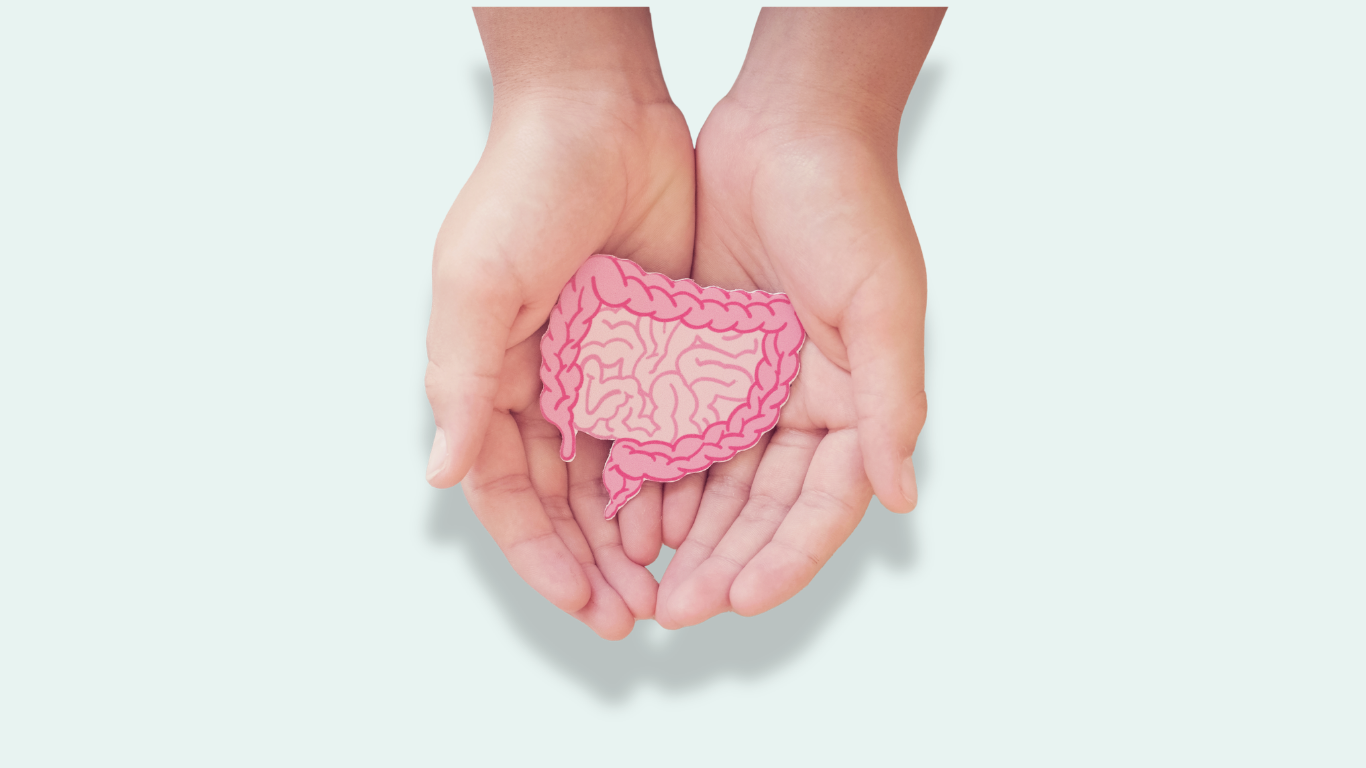
they may all be connected through something called the gut-brain axis—the constant, two-way communication network between your digestive system and your brain.
As a functional nutritionist, I often see clients come in focused on digestive symptoms but not realize that their fatigue, brain fog, mood changes, or stress levels may also be connected. The body does not work in isolated systems, and understanding these connections can be an important first step toward creating a personalized plan.
Let's explore
why the gut-brain connection matters and what you can do to support both your digestion and overall health.

What Is the Gut-Brain Axis?
The gut-brain axis is the two-way communication network connecting your digestive system and your brain.
Think of it as a highway carrying information in both directions.
Your brain sends messages that influence digestion, appetite, and movement through your digestive tract. At the same time, your gut sends messages back that influence:
- Mood
- Stress resilience
- Memory
- Focus
- Sleep
- Hunger
- Immune function
- Inflammation
How Your Gut and Brain Communicate
Several systems work together to keep this conversation going:
The Vagus Nerve
Often called the "superhighway" between the gut and brain, the vagus nerve allows signals to travel rapidly in both directions.
The vagus nerve supports digestion, bowel function, nervous system regulation, and inflammation balance.
This is one reason practices like deep breathing, humming, singing, or gargling can be helpful—they stimulate the vagus nerve and encourage your body to shift toward a calmer "rest and digest" state.
The Immune System
Nearly 70% of your immune system lives in your gut.
When the intestinal lining becomes irritated or overly permeable ("leaky gut"), inflammatory compounds can circulate throughout the body—including the brain.
This may contribute to symptoms such as:
- Fatigue
- Brain fog
- Headaches
- Difficulty concentrating
- Changes in mood
Gut Microbes
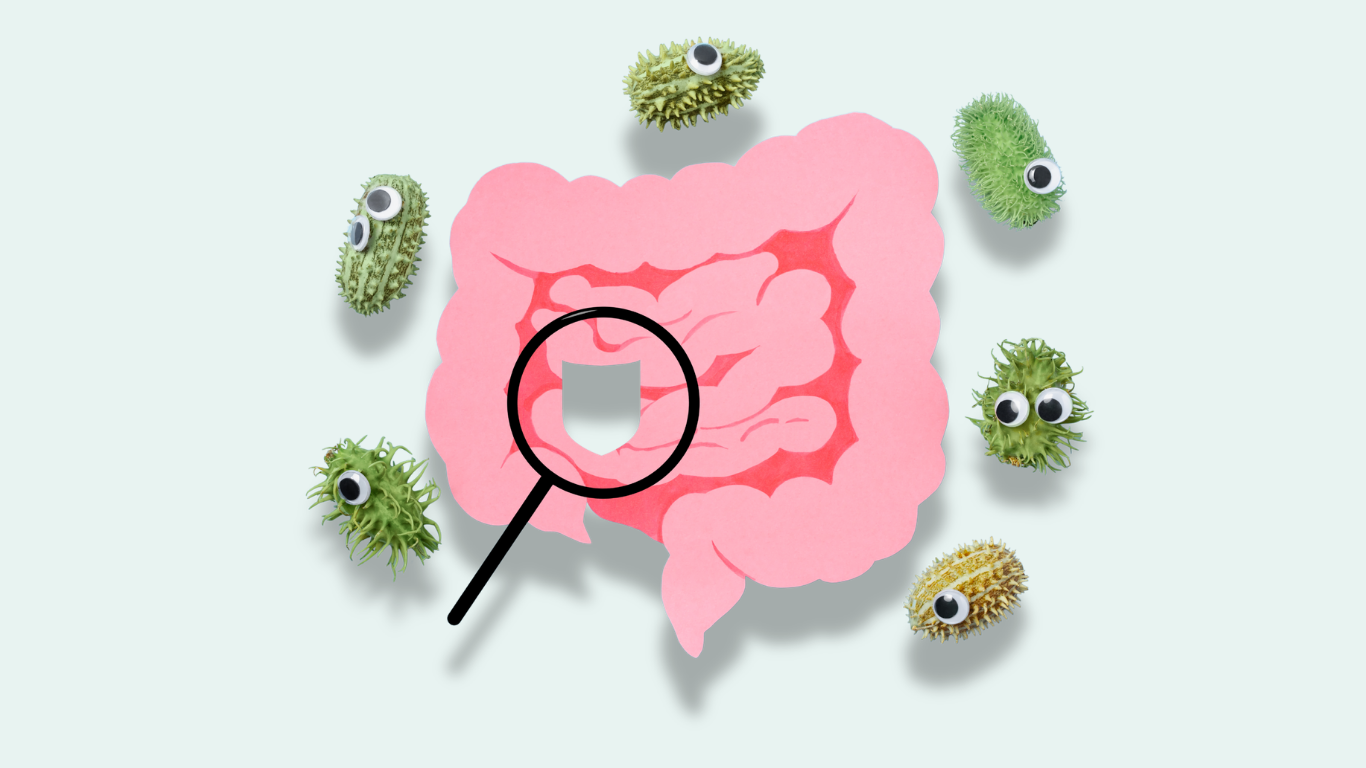
Trillions of bacteria live inside your digestive tract.
These microbes do much more than help digest food. They also produce vitamins, short-chain fatty acids, and other chemical messengers that influence inflammation, immune function, and communication with the nervous system.
A diverse, balanced microbiome helps support healthy communication between the gut and brain.

Why Stress and Digestion Are So Closely Linked
Have you ever felt butterflies before giving a presentation?
Or lost your appetite during a stressful week?
That's the gut-brain axis in action.
When you're under chronic stress, your body shifts into "fight or flight." Resources are redirected away from digestion because your body is prioritizing immediate survival.
This may contribute to:
- Slower stomach emptying
- Reduced digestive enzyme production
- Changes in stomach acid production
- Constipation or diarrhea
- Increased bloating
- Worsening IBS symptoms
Stress affects digestion—and poor digestion can worsen physical and emotional stress.
I see this often in practice. Clients may come in for digestive symptoms and mention almost as an aside that they have also been struggling with anxiety, poor focus, or feeling overwhelmed. Those symptoms are not always unrelated—they may simply be different pieces of the same puzzle.
Signs Your Gut-Brain Connection May Need Support
Signs that your gut-brain axis could use some extra attention can show up as both neurological and/or digestive symptoms.
Some common signs include:
- Frequent bloating
- IBS symptoms
- Constipation or diarrhea
- Acid reflux
- Food sensitivities
- Brain fog
- Fatigue
- Difficulty concentrating
- Anxiety
- Mood changes
- Poor sleep
- Feeling overwhelmed by stress
- Sugar cravings
- Low motivation
If several of these sound familiar,
your gut-brain axis may deserve a closer look.
The Role of the Microbiome, Fiber & Inflammation
Your Microbiome
A healthy gut microbiome helps regulate inflammation, strengthen the gut lining, and support communication between the gut and brain.
Reduced microbial diversity has been associated with digestive concerns as well as changes in mood and cognition.
Fiber
Fiber feeds beneficial bacteria in your gut.
When these bacteria ferment fiber, they create short-chain fatty acids like butyrate, which help:
- Strengthen the gut barrier
- Lower inflammation
- Support immune balance
- Nourish the cells lining the colon
- Influence brain health
Many adults consume far less fiber than they need each day, making this a simple but powerful area to focus on.
Inflammation
When the gut lining becomes compromised, inflammatory molecules can circulate throughout the body.
Persistent low-grade inflammation may contribute to symptoms including:
- Fatigue
- Brain fog
- Headaches
- Joint discomfort
- Changes in mood
Supporting gut health is often an important step toward
reducing this inflammatory burden.

What About Neurotransmitters?
You've probably heard that serotonin is the "happy chemical."
Interestingly, about 90–95% of the body's serotonin is produced in the gut, where it plays an important role in regulating digestion. The gut also influences the production and balance of other neurotransmitters and signaling molecules involved in mood, motivation, focus, and sleep.
While neurotransmitters themselves are not produced solely by gut bacteria, your microbiome can influence the nutrients, metabolites, and inflammatory environment that affect how these chemical messengers are made and used.
At Carolina Functional Nutrition, one of the advanced tools I may use to better understand your personal gut-brain connection is the Gut Zoomer stool analysis. This test does not measure mood directly, but it can provide valuable information about factors that influence the gut-brain axis, including:
- Microbial diversity
- Beneficial and opportunistic bacteria
- Markers of intestinal inflammation
- Digestive function
- Gut barrier integrity
- Microbial pathways related to neurotransmitter production and metabolism
These insights help us identify areas that may be contributing to digestive and whole-body symptoms and allow us to create a personalized nutrition and lifestyle plan.

Simple Daily Habits That Support Both Gut and Brain Health
Small, consistent habits often have the greatest impact.
Consider incorporating:
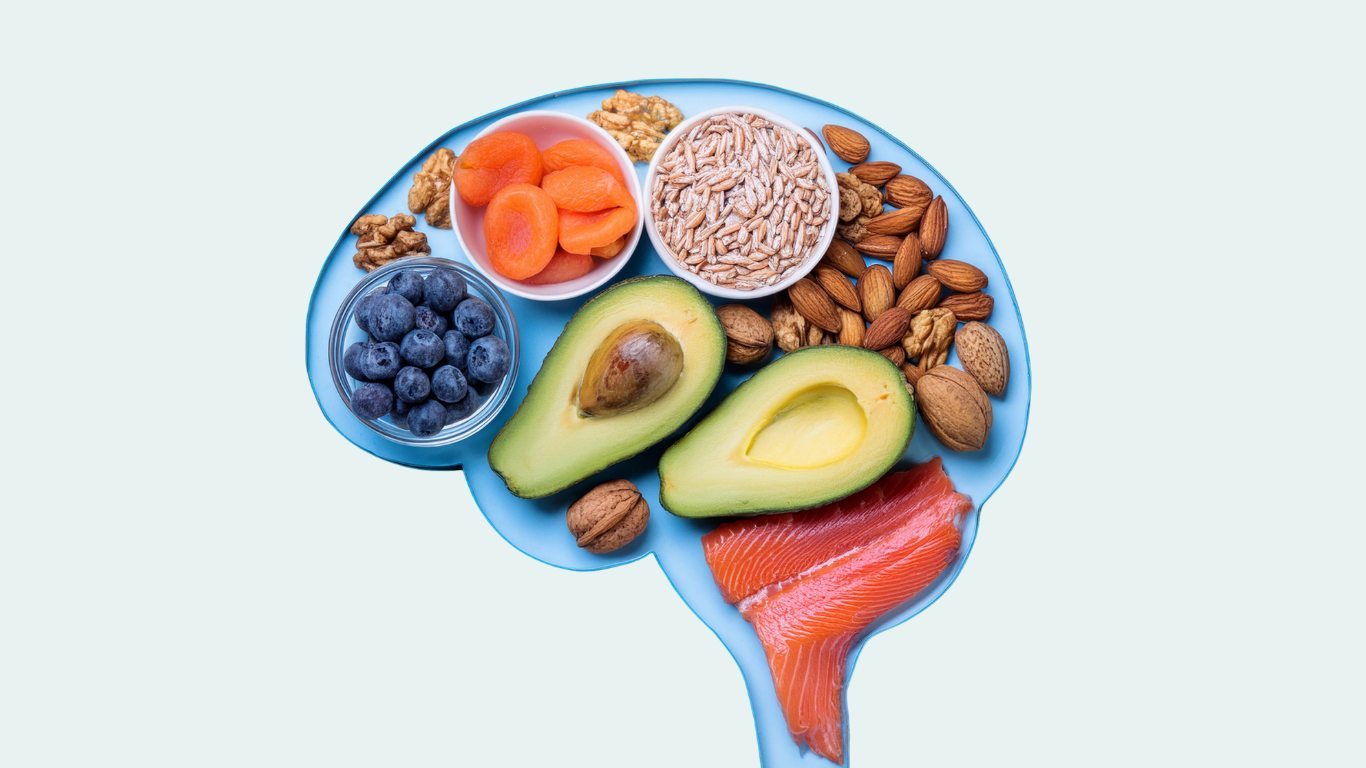
- Eat 25–30 different plant foods each week to encourage microbial diversity.
- Aim for 25–35 grams of fiber daily, increasing gradually (5g per week) if you’re eating less than that now.
- Include 1-2 Tbsp of fermented foods a few days per week.
- Prioritize protein and healthy fats at breakfast to support blood sugar balance.
- Stay hydrated throughout the day.
- Practice slow, mindful eating to activate your parasympathetic ("rest and digest") nervous system.
- Spend time outdoors and move your body regularly.
- Prioritize 7–9 hours of quality sleep.
- Build moments of stress recovery into your day with deep breathing (inhale 6 seconds, hold 4 seconds, exhale 8 seconds), prayer, meditation, massage, or gentle stretching.
- Humming, singing, or gargling
Supporting your nervous system is also supporting your digestion.
How We Evaluate the Gut-Brain Connection at Carolina Functional Nutrition
Rather than simply treating symptoms, I look for the underlying factors affecting communication between your gut and brain.
Depending on your health history and goals, your evaluation may include:
- Comprehensive nutrition and metabolic assessments (blood, urine, saliva)
- Detailed symptom timeline
- Lifestyle and stress evaluation
- Dietary pattern analysis
- Gut microbiome and inflammation testing (such as Gut Zoomer or GI Map)
- Review of nutrient status and laboratory findings
- Personalized nutrition, supplement, and lifestyle recommendations
Every plan is individualized because no two microbiomes—or people—are exactly alike.
Back-to-School: Why This Matters Right Now
The transition back to school doesn't just affect children.
Parents often juggle new schedules, earlier mornings, packed lunches, sports practices, and increased stress. College students are adjusting to new routines, and many professionals return from summer with heavier workloads.
These shifts can lead to:
- More convenience foods
- Less sleep
- Higher stress
- Reduced physical activity
- Digestive flare-ups
- Increased brain fog and fatigue
Supporting your gut during this seasonal transition can help you feel more resilient, energized, and focused as routines become busier.
Brain & Gut Health - FAQS
Can stress really cause digestive problems?
Yes. Chronic stress can alter stomach acid production, digestive enzymes, gut motility, and the balance of your microbiome, all of which may contribute to digestive symptoms. It is not usually THE singular cause of new digestive symptoms, but can certainly be a contributing factor.
Can improving gut health help brain fog?
For many people, addressing factors such as inflammation, nutrient deficiencies, blood sugar balance, and gut dysfunction can improve mental clarity. The underlying causes vary from person to person, which is why a personalized evaluation is important.
Should everyone have microbiome testing?
Not necessarily. Advanced stool testing is most valuable when symptoms, health history, or treatment goals suggest it will provide actionable information. We'll help determine whether it's appropriate for you.
Is there one "best" probiotic?
No. The ideal probiotic approach depends on your unique microbiome, symptoms, and health history. In some cases, probiotics are helpful; in others, they may not be the best first step.
Ready to Support Your Gut and Brain?
If you're struggling with digestive issues, fatigue, brain fog, mood changes, or symptoms that haven't been fully explained, your gut-brain connection may be an important piece of the puzzle.
At Carolina Functional Nutrition, we take a root-cause approach by combining comprehensive nutrition assessments, advanced testing when appropriate, and personalized recommendations to support your whole-body health.
If you're ready to better understand what's driving your symptoms, our Jumpstart Call is a simple first step. We'll discuss your concerns, answer your questions, and determine whether functional nutrition support is the right fit for you.
I'd love to help you take the next step toward feeling your best.
Recent Blog Posts
Share this post!
About the Author
Rhya Pachin is a licensed dietitian nutritionist who employs an "integrative" approach to support overall health rather than addressing just one symptom. As a certified LEAP therapist, she designs and supervises custom elimination diets. Her focus areas include gastrointestinal conditions like IBS and IBD, autoimmune diseases such as rheumatoid arthritis and Hashimoto's, persistent weight issues, food sensitivities, and chronic inflammatory conditions in both adults and children.